- Products
- Air Compressors & Air Tools
- Climate Control
- Compaction Equipment
- Concrete Cutting Tools & Equipment
- Concrete and Masonry
- Demolition & Excavation
- Electrical & Mechanical
- Fasteners and Anchoring Adhesives
- Floor Protection
- Generators and Welders
- Hand Tools
- Heaters
- Janitorial and Office Supplies
- Jobsite Protection
- Ladders & Storage
- Lighting & Lighting Accessories
- Man Lifts
- Material Handling Equipment
- Power Tools
- Pressure Washers & Pumps
- Safety Gear
- Safety Products
- Saws
- Surface Preparation
- SEASONAL PRODUCTS
- Rentals
- Air Compressor and Air Tool Rentals
- Climate Control Rental
- Compaction Rentals
- Concrete Equipment Rentals
- Demolition & Excavation Equipment Rentals
- Concrete Floor Grinder Rentals
- General Construction Equipment Rentals
- Generator Rentals and Welder Rentals
- Heater Rentals
- Light Tower Rentals
- Man Lift Rentals in Massachusetts and Rhode Island
- Material Handling Equipment Rentals
- Pressure Washer & Pump Rentals
- Saw Rentals in New England
- SEASONAL PRODUCTS
- Products
- Air Compressors & Air Tools
- Climate Control
- Compaction Equipment
- Concrete Cutting Tools & Equipment
- Demolition & Excavation
- Electrical & Mechanical
- Floor Protection
- Generators and Welders
- Construction Heaters
- Construction Ladders, Staging, & Storage
- Construction Lighting
- Man Lifts
- Material Handling Equipment
- Industrial Janitorial and Office Supplies
- Pressure Washers & Pumps
- Construction Safety Products
- Construction Safety Gear
- Surface Preparation
- Building Protection
- Diesel Accessories
- Zero Emissions
- Rentals
- Air Compressor and Air Tool Rentals
- Climate Control Rental
- Compaction Rentals
- Concrete Equipment Rental
- Demolition & Excavation Equipment Rental
- General Construction Equipment Rental
- Generator Rentals and Welder Rentals
- Construction Heaters Rental
- Light Tower Rentals
- Man Lift Rentals
- Material Handling Equipment Rental
- Pressure Washer & Pump Rentals
- Saw Rentals in New England
- Concrete Floor Grinder Rentals
- Zero Emissions Rentals
- Repairs & Used
- Parts
- Blog
- Services
- Resources
- About Us
- Contact Us
Sales & Rental of Construction | Industrial Equipment & Supplies


10 Best Brushless Chainsaws for Global Buyers?
Battery-powered cutting is changing how homeowners, landscapers, and field crews approach routine tree work. A modern Brushless Chainsaw can deliver strong torque, quieter operation, and less scheduled maintenance than many brushed alternatives. The U.S. Department of Energy explains that brushless motor designs reduce friction-related losses by removing mechanical brushes. That matters outdoors. There are fewer contact parts to wear inside the motor.
Market data also supports this shift. Grand View Research’s Power Tools Market Size, Share & Trends Analysis Report identifies cordless equipment as a major growth area, supported by lithium-ion battery improvements and wider professional adoption. Fortune Business Insights reports similar momentum in the cordless power tools market, especially where portability and reduced emissions are valued. These reports do not prove that every battery chainsaw is better. They show where the industry is moving.
This guide reviews 10 Best Brushless Chainsaws for Global Buyers through practical criteria. Cutting speed, chain-bar compatibility, battery availability, charging systems, safety controls, weight, and warranty support all matter. A 16-inch saw may feel balanced in a backyard, yet tiring on a full workday. A compact 12-inch model may handle pruning beautifully but struggle with thick hardwood. Real-world results vary. Product claims can also sound cleaner than job-site experience. Therefore, this comparison considers manufacturer specifications alongside usability, service access, and independent testing where available. Buyers should confirm voltage standards, replacement-battery supply, and local safety requirements before purchasing. No single model fits every climate, tree species, or user. That limitation deserves attention.
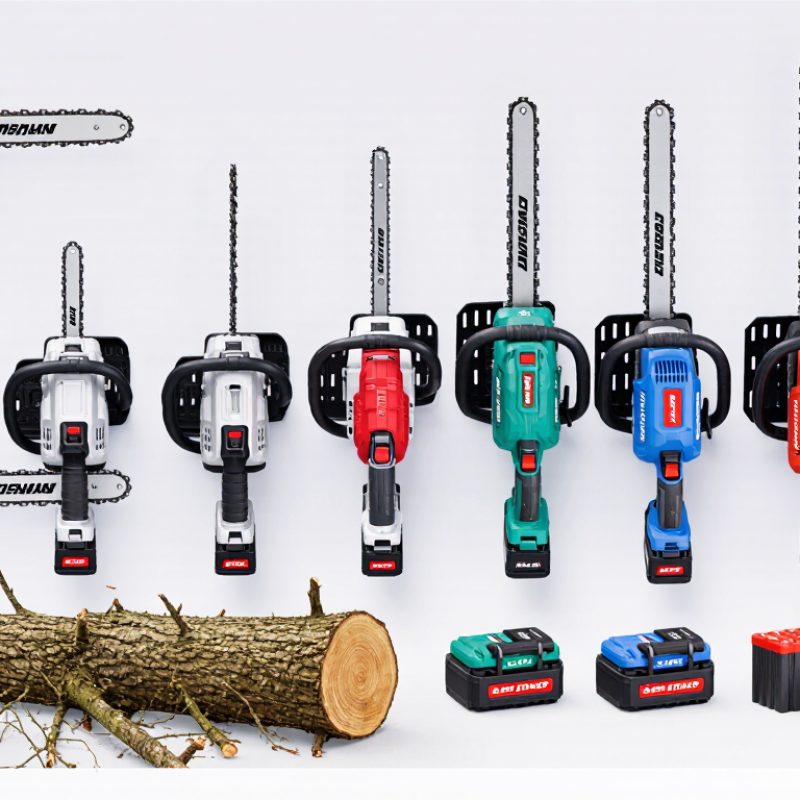
Table of Contents [Hide]
What Is a Brushless Chainsaw and Why Does It Matter?
A brushless chainsaw uses electronic controls instead of physical carbon brushes to drive its motor. This design reduces friction inside the motor and limits parts that wear down. During cutting, the motor can adjust power more precisely when the chain meets dense wood. That matters.
For global buyers, this efficiency can mean longer working time from the same battery capacity. It may also produce less heat during repeated cuts, especially when trimming thick branches or processing dry timber. However, brushless does not automatically mean stronger. Chain speed, battery voltage, bar length, oil delivery, and controller quality still affect performance. A poorly matched system can feel weak, despite its modern motor.
In practical use, a good brushless saw starts smoothly and maintains steady cutting pressure without dramatic speed drops. The body should feel balanced when held at waist height, not nose-heavy near the guide bar. Check the chain brake, trigger lock, overload protection, and replacement battery availability before buying across borders. Battery chargers may require different voltage or plug arrangements. Read the technical specifications carefully.
I once treated motor type as the main buying factor. That was too simple. Maintenance is still necessary: sharpen the chain, clean the air path, inspect the bar groove, and refill approved chain oil. Brushless motors need less internal maintenance, but they cannot correct a dull chain or careless handling. Real durability depends on the complete tool system and the user’s habits.

© Copyright - Pro Tool & Supply - Site by SVM E-Marketing Solutions - Sitemap
- Privacy policy