- Products
- Air Compressors & Air Tools
- Climate Control
- Compaction Equipment
- Concrete Cutting Tools & Equipment
- Concrete and Masonry
- Demolition & Excavation
- Electrical & Mechanical
- Fasteners and Anchoring Adhesives
- Floor Protection
- Generators and Welders
- Hand Tools
- Heaters
- Janitorial and Office Supplies
- Jobsite Protection
- Ladders & Storage
- Lighting & Lighting Accessories
- Man Lifts
- Material Handling Equipment
- Power Tools
- Pressure Washers & Pumps
- Safety Gear
- Safety Products
- Saws
- Surface Preparation
- SEASONAL PRODUCTS
- Rentals
- Air Compressor and Air Tool Rentals
- Climate Control Rental
- Compaction Rentals
- Concrete Equipment Rentals
- Demolition & Excavation Equipment Rentals
- Concrete Floor Grinder Rentals
- General Construction Equipment Rentals
- Generator Rentals and Welder Rentals
- Heater Rentals
- Light Tower Rentals
- Man Lift Rentals in Massachusetts and Rhode Island
- Material Handling Equipment Rentals
- Pressure Washer & Pump Rentals
- Saw Rentals in New England
- SEASONAL PRODUCTS
- Products
- Air Compressors & Air Tools
- Climate Control
- Compaction Equipment
- Concrete Cutting Tools & Equipment
- Demolition & Excavation
- Electrical & Mechanical
- Floor Protection
- Generators and Welders
- Construction Heaters
- Construction Ladders, Staging, & Storage
- Construction Lighting
- Man Lifts
- Material Handling Equipment
- Industrial Janitorial and Office Supplies
- Pressure Washers & Pumps
- Construction Safety Products
- Construction Safety Gear
- Surface Preparation
- Building Protection
- Diesel Accessories
- Zero Emissions
- Rentals
- Air Compressor and Air Tool Rentals
- Climate Control Rental
- Compaction Rentals
- Concrete Equipment Rental
- Demolition & Excavation Equipment Rental
- General Construction Equipment Rental
- Generator Rentals and Welder Rentals
- Construction Heaters Rental
- Light Tower Rentals
- Man Lift Rentals
- Material Handling Equipment Rental
- Pressure Washer & Pump Rentals
- Saw Rentals in New England
- Concrete Floor Grinder Rentals
- Zero Emissions Rentals
- Repairs & Used
- Parts
- Blog
- Services
- Resources
- About Us
- Contact Us
Sales & Rental of Construction | Industrial Equipment & Supplies


10 Best Block Forming Machines for Global Buyers
Choosing the right Block Forming Machine is rarely about production speed alone. Global buyers must examine mould accuracy, vibration control, hydraulic stability, energy use, and after-sales support. A machine may promise 10,000 blocks daily, yet poor curing space can reduce that figure sharply. Real output matters more than brochure output.
Dr. S. K. Singh, a concrete masonry equipment consultant, offers a practical reminder: “A productive machine is only as reliable as the mix, mould, and maintenance behind it.” That observation deserves attention. Strong equipment cannot correct inconsistent aggregates, incorrect moisture, or careless handling. Small details matter. A worn mould can create chipped edges, uneven dimensions, and expensive rejects.
This guide evaluates ten machines for international buyers with those realities in mind. It considers block capacity, automation, mould flexibility, operator requirements, installation conditions, and service accessibility. It also examines whether manufacturers provide training, spare parts, technical manuals, and responsive communication across borders. These factors often decide whether a machine earns profit or becomes an idle asset.
The best choice depends on project scale and local conditions. A compact machine may suit a growing contractor with limited floor space. A fully automatic line may better serve a large producer with stable demand. No shortlist is perfect. Buyers should verify test results, inspect sample blocks, and request references from comparable facilities. Price attracts attention, but dependable performance usually protects the investment.
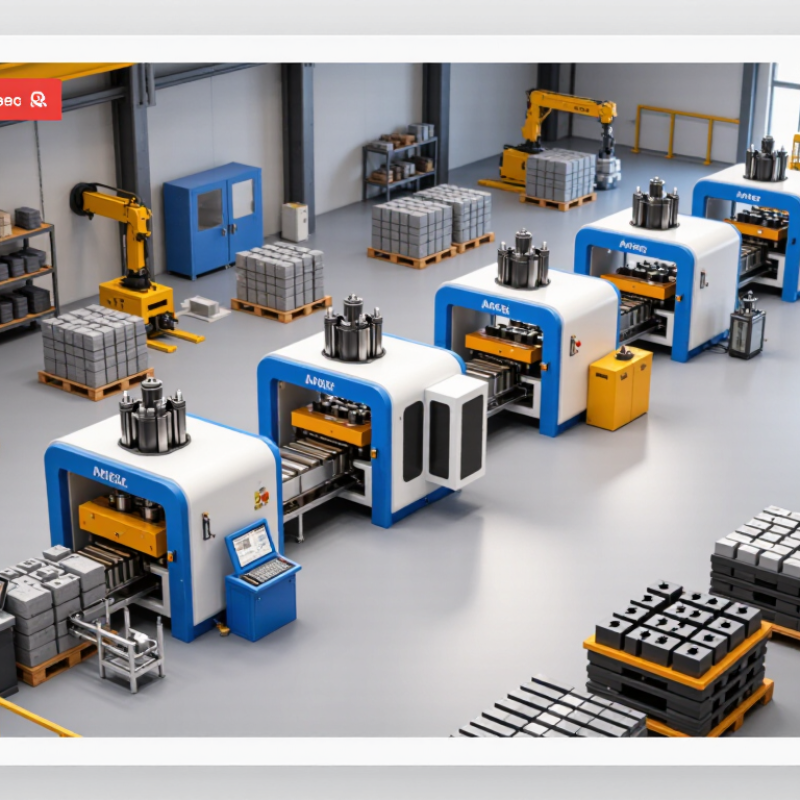
Table of Contents [Hide]
Block Forming Machines: Types, Functions, and Core Applications
Block forming machines convert measured concrete mixes into consistent masonry units through controlled vibration and pressure. Their main types include hydraulic presses, mechanical presses, and fully automatic production lines. Hydraulic models suit medium-scale factories needing adjustable force and stable cycle control. Mechanical machines often offer simpler maintenance and lower initial costs. Automatic lines add batching, conveying, curing, and palletizing equipment.
The core function is repeatable compaction. A mold shapes the mixture while vibration removes air pockets. Feeders control material volume, and sensors monitor mold position, pressure, and cycle time. Operators should check moisture content often, because a dry mix can crumble and an overly wet mix may deform. This small detail affects strength, surface texture, and dimensional accuracy. Practical trials with local aggregates remain important. Imported settings do not always transfer perfectly.
These machines produce hollow blocks, solid blocks, paving units, curbstones, and specialized landscape products. Construction contractors use them for walls, drainage works, roads, and small infrastructure projects. Buyers should match mold size, output targets, available labor, and curing space before choosing equipment. A high output figure means little when pallets wait outside in poor weather. That happens. Reliable operation also depends on spare parts, operator training, guarding, and documented quality checks. Production plans often change after installation, so adjustment space matters. A technically excellent machine can still be unsuitable for the site.

© Copyright - Pro Tool & Supply - Site by SVM E-Marketing Solutions - Sitemap
- Privacy policy