- Products
- Air Compressors & Air Tools
- Climate Control
- Compaction Equipment
- Concrete Cutting Tools & Equipment
- Concrete and Masonry
- Demolition & Excavation
- Electrical & Mechanical
- Fasteners and Anchoring Adhesives
- Floor Protection
- Generators and Welders
- Hand Tools
- Heaters
- Janitorial and Office Supplies
- Jobsite Protection
- Ladders & Storage
- Lighting & Lighting Accessories
- Man Lifts
- Material Handling Equipment
- Power Tools
- Pressure Washers & Pumps
- Safety Gear
- Safety Products
- Saws
- Surface Preparation
- SEASONAL PRODUCTS
- Rentals
- Air Compressor and Air Tool Rentals
- Climate Control Rental
- Compaction Rentals
- Concrete Equipment Rentals
- Demolition & Excavation Equipment Rentals
- Concrete Floor Grinder Rentals
- General Construction Equipment Rentals
- Generator Rentals and Welder Rentals
- Heater Rentals
- Light Tower Rentals
- Man Lift Rentals in Massachusetts and Rhode Island
- Material Handling Equipment Rentals
- Pressure Washer & Pump Rentals
- Saw Rentals in New England
- SEASONAL PRODUCTS
- Products
- Air Compressors & Air Tools
- Climate Control
- Compaction Equipment
- Concrete Cutting Tools & Equipment
- Demolition & Excavation
- Electrical & Mechanical
- Floor Protection
- Generators and Welders
- Construction Heaters
- Construction Ladders, Staging, & Storage
- Construction Lighting
- Man Lifts
- Material Handling Equipment
- Industrial Janitorial and Office Supplies
- Pressure Washers & Pumps
- Construction Safety Products
- Construction Safety Gear
- Surface Preparation
- Building Protection
- Diesel Accessories
- Zero Emissions
- Rentals
- Air Compressor and Air Tool Rentals
- Climate Control Rental
- Compaction Rentals
- Concrete Equipment Rental
- Demolition & Excavation Equipment Rental
- General Construction Equipment Rental
- Generator Rentals and Welder Rentals
- Construction Heaters Rental
- Light Tower Rentals
- Man Lift Rentals
- Material Handling Equipment Rental
- Pressure Washer & Pump Rentals
- Saw Rentals in New England
- Concrete Floor Grinder Rentals
- Zero Emissions Rentals
- Repairs & Used
- Parts
- Blog
- Services
- Resources
- About Us
- Contact Us
Sales & Rental of Construction | Industrial Equipment & Supplies


2026 Best 3.5t Forklift for Global Buyers?
Choosing the right 3.5t Forklift in 2026 requires more than comparing prices and lifting capacities. Global buyers must examine real working conditions, including load centers, aisle widths, floor quality, and operating hours. A forklift rated at 3.5 tonnes may lift less when the load extends beyond its rated center. That detail matters.
This guide evaluates leading 3.5t Forklift options through practical purchasing criteria. These include diesel, LPG, and electric power systems, mast visibility, turning radius, braking performance, operator comfort, and battery or fuel requirements. It also considers parts availability, technician support, warranty terms, and documented safety compliance in the destination market. Specifications should be verified with the manufacturer.
A strong machine is not always the best investment. A low purchase price may hide higher tire wear, difficult maintenance, or limited local support. Electric models can reduce indoor emissions, yet charging space and battery replacement costs require careful planning. Diesel units may suit demanding outdoor work, but noise and ventilation deserve attention.
No single model fits every site. That assumption can fail.
Drawing on equipment specifications, field-use considerations, and buyer experience, this overview helps importers, warehouse operators, and construction companies compare 2026 models more responsibly. It highlights useful strengths, possible weaknesses, and questions suppliers sometimes answer vaguely. Buyers should request load charts, service records, delivery terms, and testing evidence before committing. Careful verification remains essential.
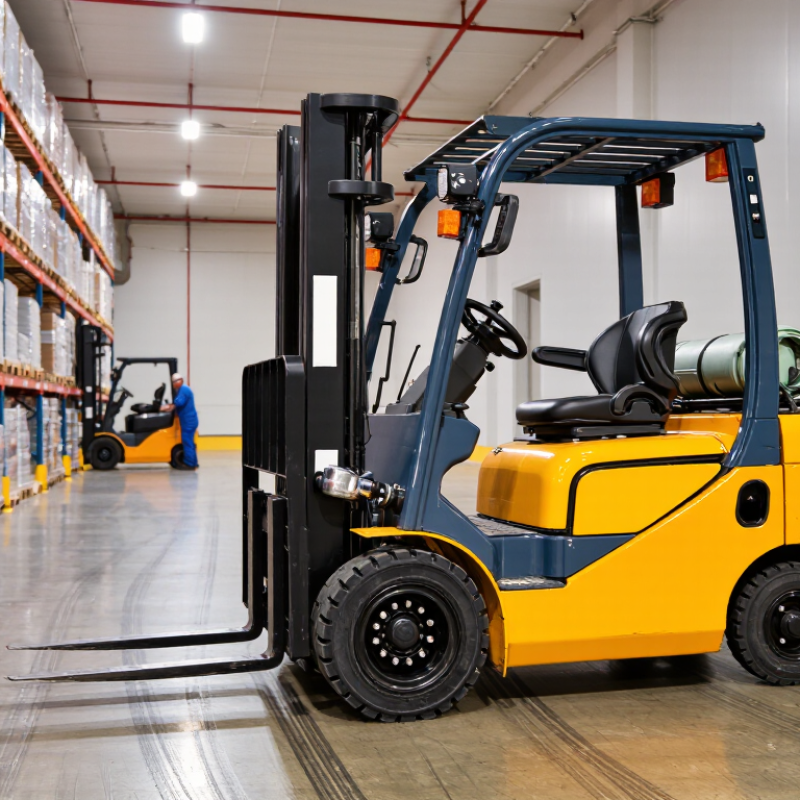
Table of Contents [Hide]
What Defines a 3.5-Ton Forklift in 2026?
What Defines a 3.5-Ton Forklift in 2026?
A 3.5-ton forklift is defined by more than its nameplate capacity. Its rated load usually applies at a specific load center, often 500 millimeters, and at a stated mast height. Raise the load higher, add a sideshifter, or move the weight forward, and capacity can decrease. This detail matters when handling steel coils, palletized stone, or dense machinery.
In practical warehouse checks, stability remains the first concern. A strong overhead guard, clear visibility, responsive brakes, and smooth hydraulic control support safer daily work. Modern models may also include lithium-ion power, regenerative braking, operator displays, and fleet data systems. However, technology does not replace trained operators or regular inspections. A quiet motor can still hide worn forks. That is easy to miss.
Tips:
Ask for the complete capacity chart, not only the 3.5-ton label. Check the rated load center, maximum lift height, attachment weight, turning radius, and battery charging needs. Measure your narrowest aisle with the actual pallet size. Request maintenance records and inspect the fork heels for cracks or distortion. Confirm that the forklift meets applicable workplace standards in its operating country. Specifications can look impressive on paper. Your floor, climate, and workload decide the real result.

© Copyright - Pro Tool & Supply - Site by SVM E-Marketing Solutions - Sitemap
- Privacy policy