- Products
- Air Compressors & Air Tools
- Climate Control
- Compaction Equipment
- Concrete Cutting Tools & Equipment
- Concrete and Masonry
- Demolition & Excavation
- Electrical & Mechanical
- Fasteners and Anchoring Adhesives
- Floor Protection
- Generators and Welders
- Hand Tools
- Heaters
- Janitorial and Office Supplies
- Jobsite Protection
- Ladders & Storage
- Lighting & Lighting Accessories
- Man Lifts
- Material Handling Equipment
- Power Tools
- Pressure Washers & Pumps
- Safety Gear
- Safety Products
- Saws
- Surface Preparation
- SEASONAL PRODUCTS
- Rentals
- Air Compressor and Air Tool Rentals
- Climate Control Rental
- Compaction Rentals
- Concrete Equipment Rentals
- Demolition & Excavation Equipment Rentals
- Concrete Floor Grinder Rentals
- General Construction Equipment Rentals
- Generator Rentals and Welder Rentals
- Heater Rentals
- Light Tower Rentals
- Man Lift Rentals in Massachusetts and Rhode Island
- Material Handling Equipment Rentals
- Pressure Washer & Pump Rentals
- Saw Rentals in New England
- SEASONAL PRODUCTS
- Products
- Air Compressors & Air Tools
- Climate Control
- Compaction Equipment
- Concrete Cutting Tools & Equipment
- Demolition & Excavation
- Electrical & Mechanical
- Floor Protection
- Generators and Welders
- Construction Heaters
- Construction Ladders, Staging, & Storage
- Construction Lighting
- Man Lifts
- Material Handling Equipment
- Industrial Janitorial and Office Supplies
- Pressure Washers & Pumps
- Construction Safety Products
- Construction Safety Gear
- Surface Preparation
- Building Protection
- Diesel Accessories
- Zero Emissions
- Rentals
- Air Compressor and Air Tool Rentals
- Climate Control Rental
- Compaction Rentals
- Concrete Equipment Rental
- Demolition & Excavation Equipment Rental
- General Construction Equipment Rental
- Generator Rentals and Welder Rentals
- Construction Heaters Rental
- Light Tower Rentals
- Man Lift Rentals
- Material Handling Equipment Rental
- Pressure Washer & Pump Rentals
- Saw Rentals in New England
- Concrete Floor Grinder Rentals
- Zero Emissions Rentals
- Repairs & Used
- Parts
- Blog
- Services
- Resources
- About Us
- Contact Us
Sales & Rental of Construction | Industrial Equipment & Supplies


Top 10 Benefits of Vacuum Insulation Board for Global Buyers?
In an era where energy efficiency is paramount, Vacuum Insulation Boards (VIBs) emerge as a game-changer in building materials. These boards are known for their superior thermal insulation properties, often surpassing traditional insulating materials. According to a report by ResearchAndMarkets, the global Vacuum Insulation Board market is projected to grow at a CAGR of 8.3% from 2021 to 2026. This trend underscores the growing acknowledgment of VIBs in various industries, including construction and refrigeration.
Dr. Emily Zhang, a renowned expert in thermal insulation technology, states, “Vacuum Insulation Boards provide unparalleled performance, but they require careful handling.” This points to the dual nature of VIBs; while they offer significant benefits, they also come with challenges that need to be addressed. For global buyers, understanding these advantages and limitations is crucial for making informed choices. The effectiveness of VIBs not only enhances energy savings but also contributes to sustainable building practices.
Exploring the top benefits of Vacuum Insulation Boards reveals a landscape of opportunities, demanding innovation and careful planning. As businesses seek efficient solutions, the integration of VIBs into their strategies could redefine cost-effectiveness and ecological responsibility. Recognizing the importance of these materials is essential for any forward-thinking enterprise.
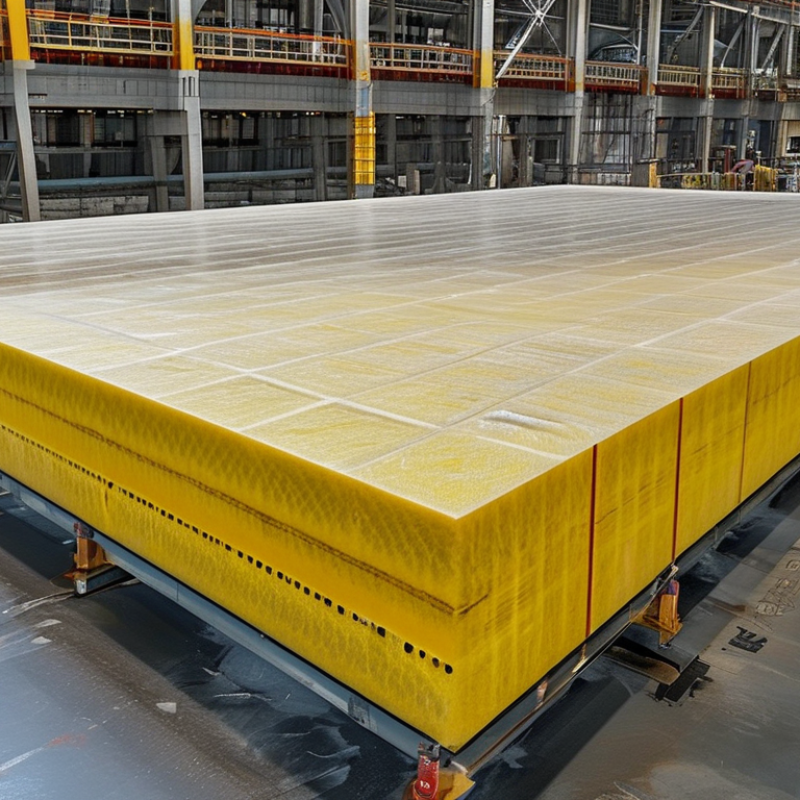
Table of Contents [Hide]
Overview of Vacuum Insulation Board and Its Applications
Vacuum Insulation Boards (VIB) hold a unique place in modern insulation technology. These boards offer superior thermal performance, enabling significant energy savings. Their lightweight nature makes them easier to handle and install. VIB can be used in various applications, including construction, refrigeration, and transportation. In building projects, they minimize thermal bridges and enhance energy efficiency.
VIB's effectiveness stems from their design, which includes a vacuum layer sandwiched between two rigid boards. This construction helps resist heat transfer. In refrigeration, they maintain stable temperatures, reducing energy consumption. However, one must consider that the initial costs can be higher compared to conventional insulation. This leads to a trade-off between upfront investment and long-term savings.
While VIB presents many benefits, they require careful installation to ensure performance. Gaps in installation can lead to thermal loss, undermining their efficiency. Buyers need to assess their specific needs and weigh these factors. Understanding the balance of cost, performance, and application is crucial when considering vacuum insulation.

© Copyright - Pro Tool & Supply - Site by SVM E-Marketing Solutions - Sitemap
- Privacy policy