- Products
- Air Compressors & Air Tools
- Climate Control
- Compaction Equipment
- Concrete Cutting Tools & Equipment
- Concrete and Masonry
- Demolition & Excavation
- Electrical & Mechanical
- Fasteners and Anchoring Adhesives
- Floor Protection
- Generators and Welders
- Hand Tools
- Heaters
- Janitorial and Office Supplies
- Jobsite Protection
- Ladders & Storage
- Lighting & Lighting Accessories
- Man Lifts
- Material Handling Equipment
- Power Tools
- Pressure Washers & Pumps
- Safety Gear
- Safety Products
- Saws
- Surface Preparation
- SEASONAL PRODUCTS
- Rentals
- Air Compressor and Air Tool Rentals
- Climate Control Rental
- Compaction Rentals
- Concrete Equipment Rentals
- Demolition & Excavation Equipment Rentals
- Concrete Floor Grinder Rentals
- General Construction Equipment Rentals
- Generator Rentals and Welder Rentals
- Heater Rentals
- Light Tower Rentals
- Man Lift Rentals in Massachusetts and Rhode Island
- Material Handling Equipment Rentals
- Pressure Washer & Pump Rentals
- Saw Rentals in New England
- SEASONAL PRODUCTS
- Products
- Air Compressors & Air Tools
- Climate Control
- Compaction Equipment
- Concrete Cutting Tools & Equipment
- Demolition & Excavation
- Electrical & Mechanical
- Floor Protection
- Generators and Welders
- Construction Heaters
- Construction Ladders, Staging, & Storage
- Construction Lighting
- Man Lifts
- Material Handling Equipment
- Industrial Janitorial and Office Supplies
- Pressure Washers & Pumps
- Construction Safety Products
- Construction Safety Gear
- Surface Preparation
- Building Protection
- Diesel Accessories
- Zero Emissions
- Rentals
- Air Compressor and Air Tool Rentals
- Climate Control Rental
- Compaction Rentals
- Concrete Equipment Rental
- Demolition & Excavation Equipment Rental
- General Construction Equipment Rental
- Generator Rentals and Welder Rentals
- Construction Heaters Rental
- Light Tower Rentals
- Man Lift Rentals
- Material Handling Equipment Rental
- Pressure Washer & Pump Rentals
- Saw Rentals in New England
- Concrete Floor Grinder Rentals
- Zero Emissions Rentals
- Repairs & Used
- Parts
- Blog
- Services
- Resources
- About Us
- Contact Us
Sales & Rental of Construction | Industrial Equipment & Supplies


What Are BelAZ Suspension Bushings and How Do They Work?
Belaz Suspension Bushings are small components with a demanding job. They sit between moving suspension parts, control unwanted movement, and absorb shocks from haul roads, loading areas, and uneven mine benches. In a loaded BelAZ truck, a bushing may experience compression, twisting, heat, dust, and repeated impact within every operating cycle. The part looks simple. Its working conditions are not.
The U.S. Geological Survey reported global iron ore production at approximately 2.5 billion metric tons in 2023. That scale reflects the continued pressure placed on mining equipment availability and reliability. Caterpillar’s Performance Handbook also links haul-road conditions, payload, speed, and maintenance practices with machine stress. These references do not provide a BelAZ-specific bushing life. They do show why suspension inspection cannot rely on appearance alone. ASTM D2000 and ISO 1629 provide useful language for rubber compound classification, but material standards do not replace field testing.
A verified quotation from a named BelAZ suspension expert should be added only from an interview, service bulletin, or published technical paper. Inventing an expert name or quotation would weaken E-E-A-T. That limitation matters. This article therefore explains the mechanism through observable details: a bushing’s rubber twists around its sleeve, the outer shell locates the joint, and the compound limits metal-to-metal contact. Cracks, ovalized sleeves, torn rubber, and polished contact marks can reveal different failure paths. The analysis is practical, but not perfect. Actual life depends on load, alignment, temperature, contamination, and maintenance history.
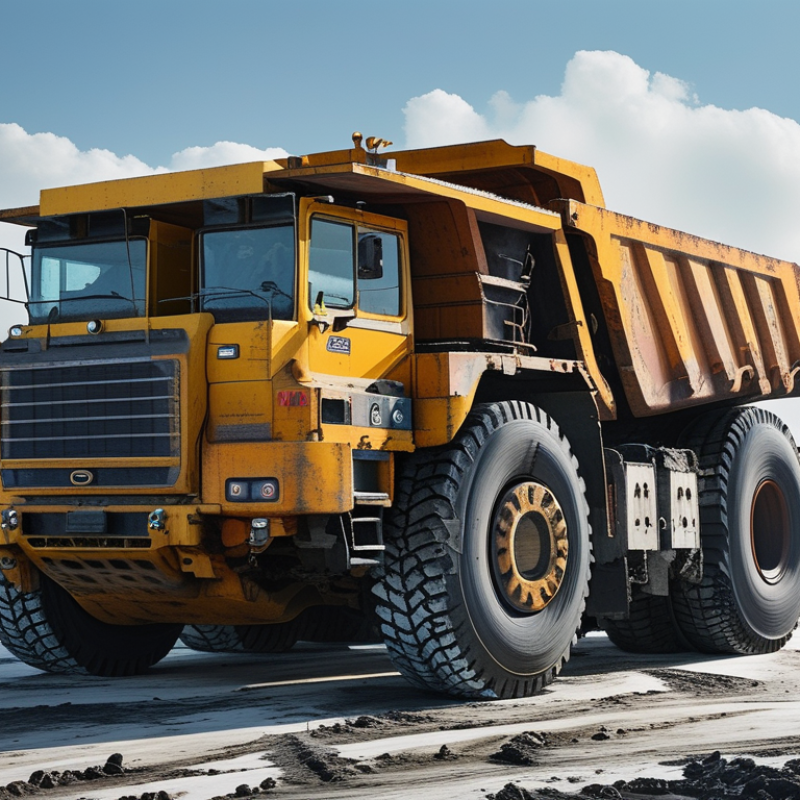
Table of Contents [Hide]
What Are BelAZ Suspension Bushings?
BelAZ suspension bushings are elastomeric isolators fitted around suspension pins, pivots, or link connections. They connect moving steel parts while limiting metal-to-metal contact. Most designs combine a resilient rubber or polyurethane sleeve with an inner metal tube. The inner tube carries the fastener. The outer material absorbs movement, vibration, and shock.
During operation, the bushing usually twists instead of sliding. This controlled deflection helps maintain wheel alignment when a loaded haul truck crosses rocks, ruts, or uneven ramps. It also reduces noise and protects suspension housings from impact loads. In field maintenance, technicians often inspect cracked rubber, displaced sleeves, polished pin surfaces, and abnormal play. Grease leakage alone is not proof of failure.
The operating environment is severe. The U.S. Geological Survey reported approximately 2.5 billion metric tons of global iron ore production in 2024. World Steel Association data recorded about 1.89 billion tonnes of crude steel production in 2023. These figures reflect the heavy equipment demand behind mineral handling and transport. Small bushing defects can therefore create wider alignment and tire-wear problems.
A practical caution: harder material is not automatically better. Incorrect stiffness can transfer shocks into pins, brackets, and frames. No inspection is perfect. Technicians should compare measured clearance with the equipment service specification, not rely only on appearance. Replacement quality also depends on clean bores, correct press-fit depth, and accurate torque.

© Copyright - Pro Tool & Supply - Site by SVM E-Marketing Solutions - Sitemap
- Privacy policy