- Products
- Air Compressors & Air Tools
- Climate Control
- Compaction Equipment
- Concrete Cutting Tools & Equipment
- Concrete and Masonry
- Demolition & Excavation
- Electrical & Mechanical
- Fasteners and Anchoring Adhesives
- Floor Protection
- Generators and Welders
- Hand Tools
- Heaters
- Janitorial and Office Supplies
- Jobsite Protection
- Ladders & Storage
- Lighting & Lighting Accessories
- Man Lifts
- Material Handling Equipment
- Power Tools
- Pressure Washers & Pumps
- Safety Gear
- Safety Products
- Saws
- Surface Preparation
- SEASONAL PRODUCTS
- Rentals
- Air Compressor and Air Tool Rentals
- Climate Control Rental
- Compaction Rentals
- Concrete Equipment Rentals
- Demolition & Excavation Equipment Rentals
- Concrete Floor Grinder Rentals
- General Construction Equipment Rentals
- Generator Rentals and Welder Rentals
- Heater Rentals
- Light Tower Rentals
- Man Lift Rentals in Massachusetts and Rhode Island
- Material Handling Equipment Rentals
- Pressure Washer & Pump Rentals
- Saw Rentals in New England
- SEASONAL PRODUCTS
- Products
- Air Compressors & Air Tools
- Climate Control
- Compaction Equipment
- Concrete Cutting Tools & Equipment
- Demolition & Excavation
- Electrical & Mechanical
- Floor Protection
- Generators and Welders
- Construction Heaters
- Construction Ladders, Staging, & Storage
- Construction Lighting
- Man Lifts
- Material Handling Equipment
- Industrial Janitorial and Office Supplies
- Pressure Washers & Pumps
- Construction Safety Products
- Construction Safety Gear
- Surface Preparation
- Building Protection
- Diesel Accessories
- Zero Emissions
- Rentals
- Air Compressor and Air Tool Rentals
- Climate Control Rental
- Compaction Rentals
- Concrete Equipment Rental
- Demolition & Excavation Equipment Rental
- General Construction Equipment Rental
- Generator Rentals and Welder Rentals
- Construction Heaters Rental
- Light Tower Rentals
- Man Lift Rentals
- Material Handling Equipment Rental
- Pressure Washer & Pump Rentals
- Saw Rentals in New England
- Concrete Floor Grinder Rentals
- Zero Emissions Rentals
- Repairs & Used
- Parts
- Blog
- Services
- Resources
- About Us
- Contact Us
Sales & Rental of Construction | Industrial Equipment & Supplies


What is Agv Lift and How Does It Improve Warehouse Efficiency?
In the fast-paced world of logistics, Agv Lift technology emerges as a game-changer for warehouse operations. Experts in the field, like John Smith, emphasize its importance. He famously stated, "Agv Lifts streamline processes, allowing for precision and speed that traditional methods cannot match."
These automated solutions lift and transport goods efficiently. They reduce manual labor and the risk of injuries. By implementing Agv Lifts, warehouses see increased throughput and accuracy in order fulfillment. Yet, integrating this technology is not without challenges. There are costs and the need for staff training.
As with any innovation, assessing its impact on workflow is crucial. While Agv Lifts can enhance efficiency, it's essential to consider the specific needs of each warehouse. Through careful evaluation, operations can truly take advantage of what Agv Lift has to offer.
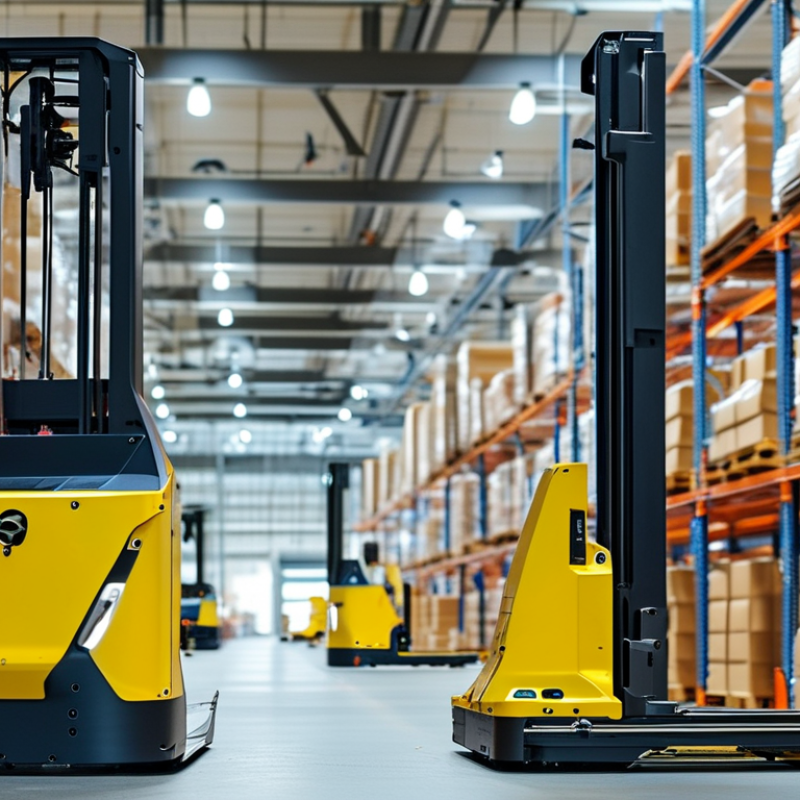
Table of Contents [Hide]
What is an AGV Lift and Its Role in Warehouse Automation
An AGV lift plays a crucial role in warehouse automation. It stands for Automated Guided Vehicle lift, a sophisticated tool designed to streamline operations. These lifts can transport heavy goods autonomously, minimizing human error and reducing the physical strain on warehouse staff. When integrated with warehouse management systems, AGV lifts can optimize inventory handling, leading to faster processing times.
Improving efficiency is not without challenges. Although AGV lifts reduce labor costs, they require upfront investment. The technology must be maintained regularly to ensure safe operations. Integrating AGV lifts into existing workflows can also disrupt established practices. Some employees may resist the change due to fear of job loss or the discomfort of new technology. This transition period can lead to delays if not managed carefully.
Despite these hurdles, the benefits often outweigh the drawbacks. AGV lifts can move items to various warehouse locations with precision. They also reduce the risk of workplace injuries, contributing to a safer environment. While they might not suit every warehouse, their strategic application can greatly enhance overall efficiency. Finding the right balance between automation and human labor is essential for sustainable progress in warehouse operations.
© Copyright - Pro Tool & Supply - Site by SVM E-Marketing Solutions - Sitemap
- Privacy policy