- Products
- Air Compressors & Air Tools
- Climate Control
- Compaction Equipment
- Concrete Cutting Tools & Equipment
- Concrete and Masonry
- Demolition & Excavation
- Electrical & Mechanical
- Fasteners and Anchoring Adhesives
- Floor Protection
- Generators and Welders
- Hand Tools
- Heaters
- Janitorial and Office Supplies
- Jobsite Protection
- Ladders & Storage
- Lighting & Lighting Accessories
- Man Lifts
- Material Handling Equipment
- Power Tools
- Pressure Washers & Pumps
- Safety Gear
- Safety Products
- Saws
- Surface Preparation
- SEASONAL PRODUCTS
- Rentals
- Air Compressor and Air Tool Rentals
- Climate Control Rental
- Compaction Rentals
- Concrete Equipment Rentals
- Demolition & Excavation Equipment Rentals
- Concrete Floor Grinder Rentals
- General Construction Equipment Rentals
- Generator Rentals and Welder Rentals
- Heater Rentals
- Light Tower Rentals
- Man Lift Rentals in Massachusetts and Rhode Island
- Material Handling Equipment Rentals
- Pressure Washer & Pump Rentals
- Saw Rentals in New England
- SEASONAL PRODUCTS
- Products
- Air Compressors & Air Tools
- Climate Control
- Compaction Equipment
- Concrete Cutting Tools & Equipment
- Demolition & Excavation
- Electrical & Mechanical
- Floor Protection
- Generators and Welders
- Construction Heaters
- Construction Ladders, Staging, & Storage
- Construction Lighting
- Man Lifts
- Material Handling Equipment
- Industrial Janitorial and Office Supplies
- Pressure Washers & Pumps
- Construction Safety Products
- Construction Safety Gear
- Surface Preparation
- Building Protection
- Diesel Accessories
- Zero Emissions
- Rentals
- Air Compressor and Air Tool Rentals
- Climate Control Rental
- Compaction Rentals
- Concrete Equipment Rental
- Demolition & Excavation Equipment Rental
- General Construction Equipment Rental
- Generator Rentals and Welder Rentals
- Construction Heaters Rental
- Light Tower Rentals
- Man Lift Rentals
- Material Handling Equipment Rental
- Pressure Washer & Pump Rentals
- Saw Rentals in New England
- Concrete Floor Grinder Rentals
- Zero Emissions Rentals
- Repairs & Used
- Parts
- Blog
- Services
- Resources
- About Us
- Contact Us
Sales & Rental of Construction | Industrial Equipment & Supplies


7 Tips for Choosing the Right Explosion Proof Forklift?
Choosing an Explosion Proof Forklift is not a routine equipment purchase. The right model must match the materials handled, the work area, and the pace of daily operations. A narrow aisle, a cold storage room, or a dusty transfer point can change which features matter most. Small details count.
As an illustrative industry voice, safety specialist Alex Morgan offers this reminder: “A truck is only a sound choice when its protection, capacity, and service plan fit the actual worksite.” Treat that as a guiding principle, not a substitute for checking manufacturer specifications or getting qualified technical advice. The term “explosion proof” alone does not tell you whether a specific truck suits a particular environment.
This guide outlines seven practical checks: hazard classification, required protection features, load capacity, power source, operating conditions, maintenance support, and supplier documentation. Expect to compare nameplate details with real loads, measure aisle clearance, and ask how routine inspections will work. A few questions may expose gaps in an attractive quote. That can feel tedious. It is still worth doing.
There is no universal best model. A truck that performs well in one facility may be unsuitable elsewhere. The recommendations below are a starting point, and site-specific hazards deserve careful review before selection.
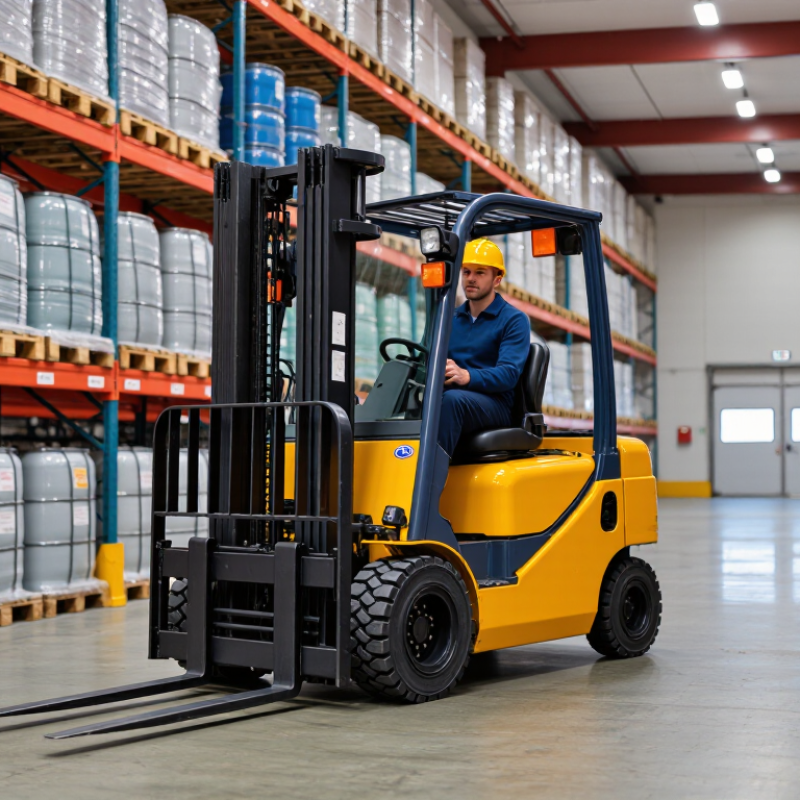
Table of Contents [Hide]
Understanding Hazardous Area Classifications and Certification Requirements
Hazardous-area selection starts with the site’s documented classification, not a forklift’s appearance. Check whether the space presents flammable gas or vapor, combustible dust, or both. In North American systems, areas may use Class and Division designations; other systems use Zones. These terms are not interchangeable. Confirm the exact location, including loading bays and charging areas, because conditions can differ across a facility.
Read the equipment certification and compare it with the area’s group, division or zone, and temperature requirements. The temperature marking matters: a machine’s hot surface must remain suitable for the substances present. Look at the complete rating, not one label alone. Attachments, electrical components, and charging equipment may have separate restrictions. Small details count. A mismatched component can undermine an otherwise suitable truck.
Ask for the certificate documents and verify that they cover the forklift’s actual configuration and intended operating conditions. Check the data plate against the facility’s classification drawings, then have a qualified safety professional resolve any uncertainty. A practical inspection should include the truck, its attachments, and the route it will travel. Paperwork can look clear until site conditions change. Recheck after process changes, and be cautious about relying on a familiar classification from another building.
© Copyright - Pro Tool & Supply - Site by SVM E-Marketing Solutions - Sitemap
- Privacy policy