- Products
- Air Compressors & Air Tools
- Climate Control
- Compaction Equipment
- Concrete Cutting Tools & Equipment
- Concrete and Masonry
- Demolition & Excavation
- Electrical & Mechanical
- Fasteners and Anchoring Adhesives
- Floor Protection
- Generators and Welders
- Hand Tools
- Heaters
- Janitorial and Office Supplies
- Jobsite Protection
- Ladders & Storage
- Lighting & Lighting Accessories
- Man Lifts
- Material Handling Equipment
- Power Tools
- Pressure Washers & Pumps
- Safety Gear
- Safety Products
- Saws
- Surface Preparation
- SEASONAL PRODUCTS
- Rentals
- Air Compressor and Air Tool Rentals
- Climate Control Rental
- Compaction Rentals
- Concrete Equipment Rentals
- Demolition & Excavation Equipment Rentals
- Concrete Floor Grinder Rentals
- General Construction Equipment Rentals
- Generator Rentals and Welder Rentals
- Heater Rentals
- Light Tower Rentals
- Man Lift Rentals in Massachusetts and Rhode Island
- Material Handling Equipment Rentals
- Pressure Washer & Pump Rentals
- Saw Rentals in New England
- SEASONAL PRODUCTS
- Products
- Air Compressors & Air Tools
- Climate Control
- Compaction Equipment
- Concrete Cutting Tools & Equipment
- Demolition & Excavation
- Electrical & Mechanical
- Floor Protection
- Generators and Welders
- Construction Heaters
- Construction Ladders, Staging, & Storage
- Construction Lighting
- Man Lifts
- Material Handling Equipment
- Industrial Janitorial and Office Supplies
- Pressure Washers & Pumps
- Construction Safety Products
- Construction Safety Gear
- Surface Preparation
- Building Protection
- Diesel Accessories
- Zero Emissions
- Rentals
- Air Compressor and Air Tool Rentals
- Climate Control Rental
- Compaction Rentals
- Concrete Equipment Rental
- Demolition & Excavation Equipment Rental
- General Construction Equipment Rental
- Generator Rentals and Welder Rentals
- Construction Heaters Rental
- Light Tower Rentals
- Man Lift Rentals
- Material Handling Equipment Rental
- Pressure Washer & Pump Rentals
- Saw Rentals in New England
- Concrete Floor Grinder Rentals
- Zero Emissions Rentals
- Repairs & Used
- Parts
- Blog
- Services
- Resources
- About Us
- Contact Us
Sales & Rental of Construction | Industrial Equipment & Supplies


What Are 7 Tips for Choosing a Switch Terminal?
Choosing the right Switch Terminal can determine whether an electrical assembly remains stable or develops costly faults. The part may look small, but its contacts carry current, resist heat, and withstand repeated connection cycles. A suitable choice begins with the application, not the catalog image. Check the rated voltage, current, wire size, insulation material, and operating temperature. Then compare those values with real working conditions, including startup loads and nearby heat sources.
In practical assembly work, I have seen terminals fail because engineers considered only electrical ratings. Vibration, moisture, limited space, and frequent maintenance also matter. A secure locking feature may prevent loose connections inside a moving machine. A clear pitch measurement can avoid crowded wiring and accidental contact. Copper alloy contacts, reliable plating, and strong housings often support better long-term performance, but their quality should be verified through technical documents. Do not rely on appearance alone.
Small details matter.
The seven tips in this guide will help evaluate compatibility, durability, installation effort, safety features, and supplier reliability. They also encourage careful comparison between laboratory specifications and actual field demands. A terminal rated for 10 amps may perform differently in a hot enclosure with thin wiring and continuous current. That detail is easy to miss. I would also recheck every assumption before approving a design, because even experienced teams overlook connector orientation or service access. The best Switch Terminal is not always the cheapest or most advanced option. It is the one that matches the system, survives its environment, and can be installed correctly every time.
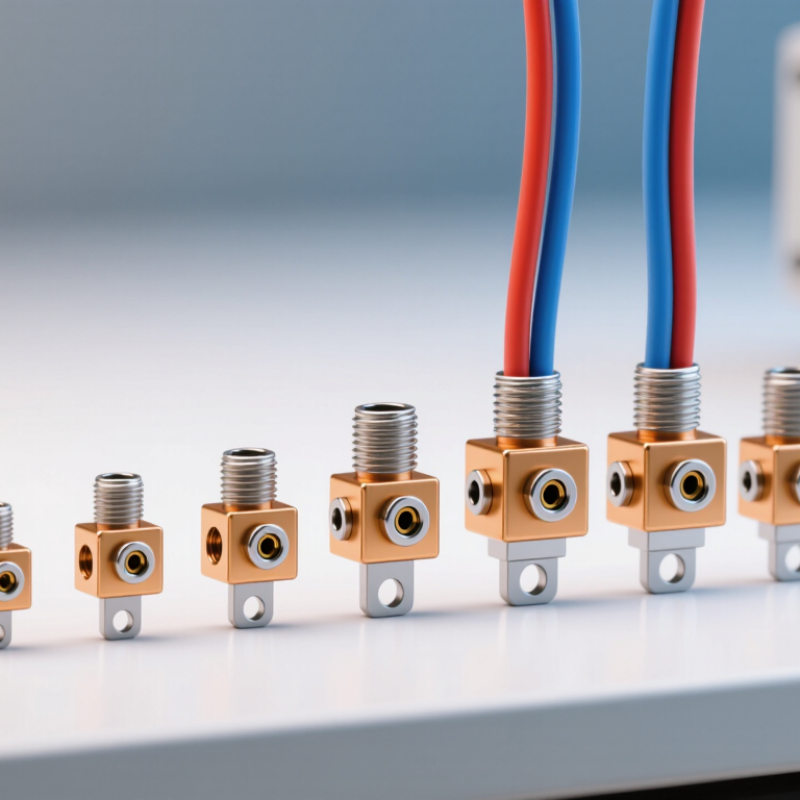
Table of Contents [Hide]
Define the Switch Terminal’s Electrical and Mechanical Requirements
Choosing a switch terminal starts with defining its electrical and mechanical requirements. A terminal that fits the panel may still fail under real operating conditions. Record the rated voltage, current, switching frequency, and load type. Inductive loads can create voltage spikes. Plan for them. Check the allowable temperature range, insulation resistance, and contact resistance. These values should match the application, not only the catalog headline.
Mechanical requirements deserve equal attention. Measure the mounting cutout, terminal spacing, body depth, and actuator clearance. Leave room for wiring tools and inspection. Vibration, repeated pressing, moisture, and dust can change the selection. In one panel review, a terminal worked electrically but loosened after repeated vibration. The mounting hardware was too short. That mistake was avoidable. Review the panel material and fastening method before ordering.
Use the wire size, connector style, and tightening torque as selection limits. Confirm whether the terminal accepts solid, stranded, or ferruled conductors. Follow tested specifications and applicable safety requirements. A practical sample test helps. Cycle the switch, apply the intended load, and measure heat at the connection. Record results. Do not rely on touch alone. I once treated a slightly warm connection as acceptable, but later measurements showed poor crimping. That experience changed my inspection process. Leave tolerance for production variation, because laboratory-perfect assembly is not always repeatable.

© Copyright - Pro Tool & Supply - Site by SVM E-Marketing Solutions - Sitemap
- Privacy policy