- Products
- Air Compressors & Air Tools
- Climate Control
- Compaction Equipment
- Concrete Cutting Tools & Equipment
- Concrete and Masonry
- Demolition & Excavation
- Electrical & Mechanical
- Fasteners and Anchoring Adhesives
- Floor Protection
- Generators and Welders
- Hand Tools
- Heaters
- Janitorial and Office Supplies
- Jobsite Protection
- Ladders & Storage
- Lighting & Lighting Accessories
- Man Lifts
- Material Handling Equipment
- Power Tools
- Pressure Washers & Pumps
- Safety Gear
- Safety Products
- Saws
- Surface Preparation
- SEASONAL PRODUCTS
- Rentals
- Air Compressor and Air Tool Rentals
- Climate Control Rental
- Compaction Rentals
- Concrete Equipment Rentals
- Demolition & Excavation Equipment Rentals
- Concrete Floor Grinder Rentals
- General Construction Equipment Rentals
- Generator Rentals and Welder Rentals
- Heater Rentals
- Light Tower Rentals
- Man Lift Rentals in Massachusetts and Rhode Island
- Material Handling Equipment Rentals
- Pressure Washer & Pump Rentals
- Saw Rentals in New England
- SEASONAL PRODUCTS
- Products
- Air Compressors & Air Tools
- Climate Control
- Compaction Equipment
- Concrete Cutting Tools & Equipment
- Demolition & Excavation
- Electrical & Mechanical
- Floor Protection
- Generators and Welders
- Construction Heaters
- Construction Ladders, Staging, & Storage
- Construction Lighting
- Man Lifts
- Material Handling Equipment
- Industrial Janitorial and Office Supplies
- Pressure Washers & Pumps
- Construction Safety Products
- Construction Safety Gear
- Surface Preparation
- Building Protection
- Diesel Accessories
- Zero Emissions
- Rentals
- Air Compressor and Air Tool Rentals
- Climate Control Rental
- Compaction Rentals
- Concrete Equipment Rental
- Demolition & Excavation Equipment Rental
- General Construction Equipment Rental
- Generator Rentals and Welder Rentals
- Construction Heaters Rental
- Light Tower Rentals
- Man Lift Rentals
- Material Handling Equipment Rental
- Pressure Washer & Pump Rentals
- Saw Rentals in New England
- Concrete Floor Grinder Rentals
- Zero Emissions Rentals
- Repairs & Used
- Parts
- Blog
- Services
- Resources
- About Us
- Contact Us
Sales & Rental of Construction | Industrial Equipment & Supplies


7 Tips to Get the Best Fire Door Quotation?
A reliable Fire Door Quotation begins with risk, not price. NFPA’s Fire Loss in the United States During 2023 report recorded approximately 1.39 million fires and $22.4 billion in direct property damage. These figures explain why a low quotation can become expensive when specifications, installation, or maintenance are incomplete.
Lori Greene, an Allegion codes and resources manager, has emphasized that “a fire door is a life-safety system, not merely a door.” Her warning matters during every purchasing decision. A quotation should identify the door rating, size, core, frame, hardware, glazing, certification, delivery terms, and installation responsibilities. NFPA 80 also requires regular inspection, testing, and maintenance, so future service costs deserve attention before approval.
The details are physical and easy to miss. Imagine a steel frame, a certified closer, three hinges, and a small vision panel on a busy corridor door. One missing label or incompatible lock can weaken the entire assembly. Seven practical checks can expose these gaps before money changes hands. They include comparing technical schedules, verifying certification, checking exclusions, reviewing site conditions, and confirming the supplier’s experience.
Not every quote is equally transparent. Some are technically correct but commercially vague. Others look complete until delivery, fire-stopping, or remedial work appears later. I have found that even careful buyers overlook one line. That is uncomfortable, but useful. A strong Fire Door Quotation should make uncertainty visible, not hide it behind a tempting total.
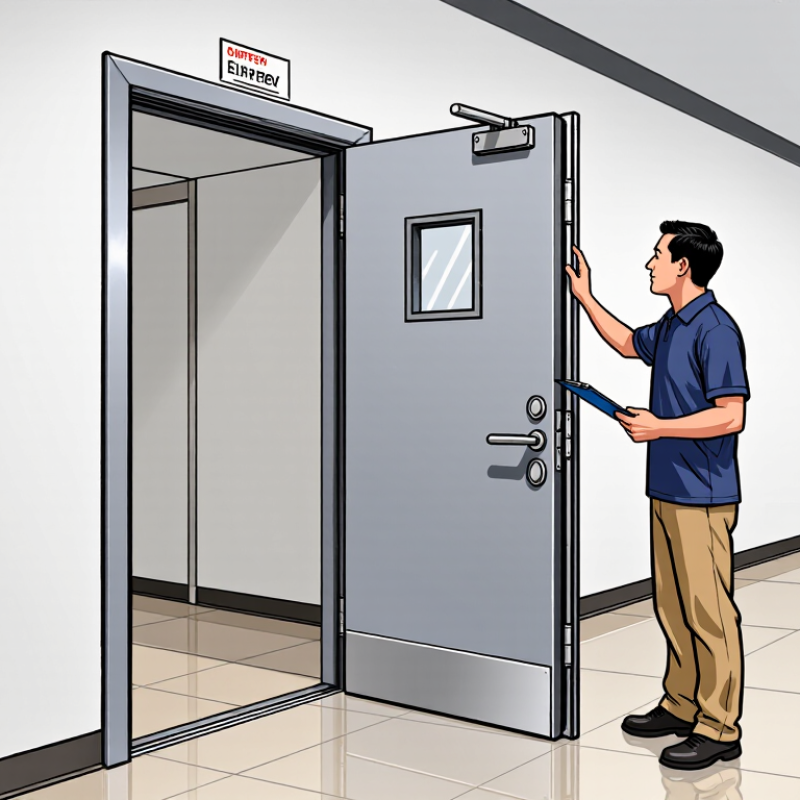
Table of Contents [Hide]
Define Fire Door Ratings: 30, 60, 90, and 120 Minutes
A fire door rating shows how long a tested door assembly resists fire exposure. A 30-minute door suits lower-risk openings. A 60-minute door offers stronger separation. Ninety- and 120-minute doors serve high-risk routes, shafts, and protected compartments. These ratings do not guarantee identical real-world performance. Site conditions, installation, smoke leakage, and hardware also matter. NFPA’s 2023 U.S. fire-loss report recorded about 1.39 million fires and 3,670 civilian fire deaths. That scale makes accurate compartmentation important.
Tip 1: Confirm the required rating from the local fire strategy.
Tip 2: Ask whether the rating applies to the complete assembly, not only the leaf.
Tip 3: Request test evidence under recognized standards, such as NFPA 252 or EN 1634-1.
Tip 4: Check wall construction and frame compatibility.
Tip 5: Specify vision panels, seals, hinges, closers, and latches. Small parts can weaken the tested result.
Tip 6: Request delivery, installation, and certification costs separately.
Tip 7: Ask for maintenance requirements and inspection frequency.
In practice, quotations often hide fitting assumptions. A cheaper 30-minute option may become unsuitable after a layout change. A 120-minute door may also add unnecessary weight and cost. Review the rating label, test scope, and hardware schedule carefully. UL product directories and laboratory test reports can support verification, while NFPA 80 provides installation and maintenance guidance. I have found that missing wall details cause more quotation revisions than door prices. That part deserves a second look.

© Copyright - Pro Tool & Supply - Site by SVM E-Marketing Solutions - Sitemap
- Privacy policy