- Products
- Air Compressors & Air Tools
- Climate Control
- Compaction Equipment
- Concrete Cutting Tools & Equipment
- Concrete and Masonry
- Demolition & Excavation
- Electrical & Mechanical
- Fasteners and Anchoring Adhesives
- Floor Protection
- Generators and Welders
- Hand Tools
- Heaters
- Janitorial and Office Supplies
- Jobsite Protection
- Ladders & Storage
- Lighting & Lighting Accessories
- Man Lifts
- Material Handling Equipment
- Power Tools
- Pressure Washers & Pumps
- Safety Gear
- Safety Products
- Saws
- Surface Preparation
- SEASONAL PRODUCTS
- Rentals
- Air Compressor and Air Tool Rentals
- Climate Control Rental
- Compaction Rentals
- Concrete Equipment Rentals
- Demolition & Excavation Equipment Rentals
- Concrete Floor Grinder Rentals
- General Construction Equipment Rentals
- Generator Rentals and Welder Rentals
- Heater Rentals
- Light Tower Rentals
- Man Lift Rentals in Massachusetts and Rhode Island
- Material Handling Equipment Rentals
- Pressure Washer & Pump Rentals
- Saw Rentals in New England
- SEASONAL PRODUCTS
- Products
- Air Compressors & Air Tools
- Climate Control
- Compaction Equipment
- Concrete Cutting Tools & Equipment
- Demolition & Excavation
- Electrical & Mechanical
- Floor Protection
- Generators and Welders
- Construction Heaters
- Construction Ladders, Staging, & Storage
- Construction Lighting
- Man Lifts
- Material Handling Equipment
- Industrial Janitorial and Office Supplies
- Pressure Washers & Pumps
- Construction Safety Products
- Construction Safety Gear
- Surface Preparation
- Building Protection
- Diesel Accessories
- Zero Emissions
- Rentals
- Air Compressor and Air Tool Rentals
- Climate Control Rental
- Compaction Rentals
- Concrete Equipment Rental
- Demolition & Excavation Equipment Rental
- General Construction Equipment Rental
- Generator Rentals and Welder Rentals
- Construction Heaters Rental
- Light Tower Rentals
- Man Lift Rentals
- Material Handling Equipment Rental
- Pressure Washer & Pump Rentals
- Saw Rentals in New England
- Concrete Floor Grinder Rentals
- Zero Emissions Rentals
- Repairs & Used
- Parts
- Blog
- Services
- Resources
- About Us
- Contact Us
Sales & Rental of Construction | Industrial Equipment & Supplies


7 Best Gas Insulated Switchgear Manufacturers
Gas Insulated Switchgear (GIS) is designed for substations where space, reliability, and protection matter. Its sealed, compact construction can help utilities and industrial operators manage equipment in dense urban sites, indoor facilities, and other demanding locations. Yet a small footprint does not make every installation simple.
Details matter. Voltage rating, fault performance, operating environment, maintenance access, and service support all affect long-term suitability. The insulating medium also deserves attention, including its handling requirements and available lower-impact alternatives. Buyers should verify these details against project specifications and current manufacturer documentation.
This guide introduces seven prominent Gas Insulated Switchgear manufacturers and the considerations that can help distinguish their offerings. It is not a universal ranking: the right supplier depends on network conditions, local support, project scope, and lifecycle priorities. A useful comparison looks beyond product brochures to technical data, testing information, installation experience, and after-sales service. Ask how the equipment performs under the site’s actual conditions. Check spare-parts availability and maintenance arrangements before making a decision.
No shortlist is perfect. Specifications change, product ranges vary by region, and a manufacturer’s strengths may not match every project. Treat this overview as a starting point, then confirm claims directly with suppliers and qualified engineering teams. That careful step can turn a promising product comparison into a more dependable procurement decision.
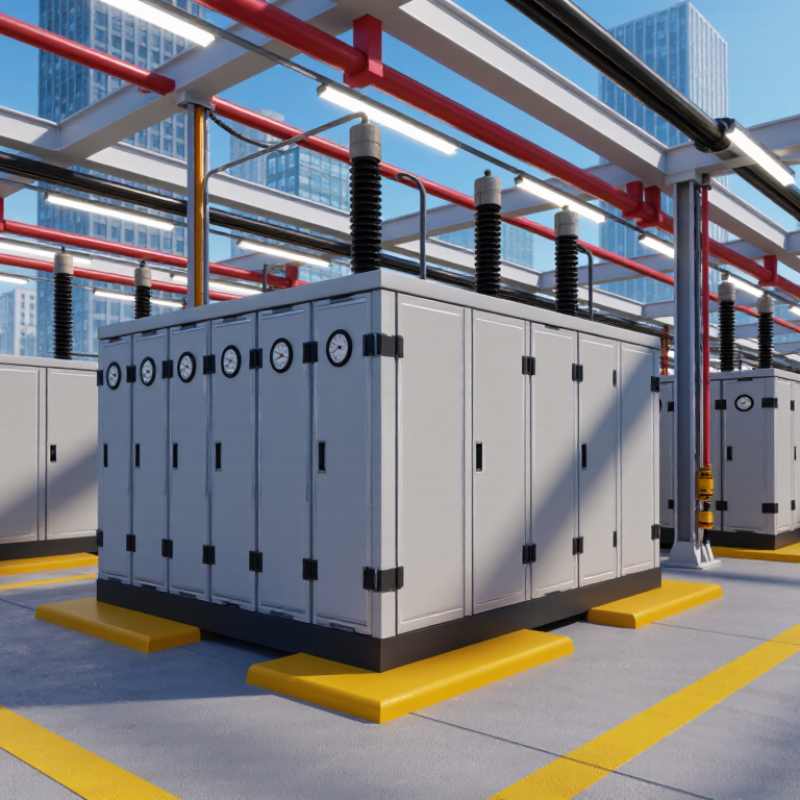
Table of Contents [Hide]
What Gas-Insulated Switchgear Is and How It Works
Gas-insulated switchgear (GIS) encloses high-voltage components inside grounded metal compartments. Instead of relying on open air for insulation, it uses a dielectric gas or another insulating medium. Inside the enclosure, busbars carry power between sections, while circuit breakers control current and isolate faults. Disconnectors and earthing switches support safe maintenance. The arrangement is compact. It can also limit exposure to dust, moisture, and salt.
During normal operation, current flows through the busbars and closed breaker contacts. If a fault occurs, protective relays signal the breaker to open. An arc forms briefly between separating contacts; the interrupting medium helps extinguish it and restore insulation. Sensors monitor conditions such as gas density or pressure, depending on the design. A falling reading can indicate a leak or another issue that needs investigation. Details vary by equipment.
GIS is useful where space is limited, such as dense urban substations or indoor installations. Its sealed construction can reduce routine exposure to environmental contamination, but it does not eliminate maintenance. Technicians still inspect mechanisms, monitor alarms, and follow procedures for handling insulating media. That work matters. A compact enclosure can make access more involved, and a small leak may be easy to miss without monitoring. GIS is not maintenance-free; its reliability depends on sound design, careful installation, and consistent checks.

© Copyright - Pro Tool & Supply - Site by SVM E-Marketing Solutions - Sitemap
- Privacy policy