- Products
- Air Compressors & Air Tools
- Climate Control
- Compaction Equipment
- Concrete Cutting Tools & Equipment
- Concrete and Masonry
- Demolition & Excavation
- Electrical & Mechanical
- Fasteners and Anchoring Adhesives
- Floor Protection
- Generators and Welders
- Hand Tools
- Heaters
- Janitorial and Office Supplies
- Jobsite Protection
- Ladders & Storage
- Lighting & Lighting Accessories
- Man Lifts
- Material Handling Equipment
- Power Tools
- Pressure Washers & Pumps
- Safety Gear
- Safety Products
- Saws
- Surface Preparation
- SEASONAL PRODUCTS
- Rentals
- Air Compressor and Air Tool Rentals
- Climate Control Rental
- Compaction Rentals
- Concrete Equipment Rentals
- Demolition & Excavation Equipment Rentals
- Concrete Floor Grinder Rentals
- General Construction Equipment Rentals
- Generator Rentals and Welder Rentals
- Heater Rentals
- Light Tower Rentals
- Man Lift Rentals in Massachusetts and Rhode Island
- Material Handling Equipment Rentals
- Pressure Washer & Pump Rentals
- Saw Rentals in New England
- SEASONAL PRODUCTS
- Products
- Air Compressors & Air Tools
- Climate Control
- Compaction Equipment
- Concrete Cutting Tools & Equipment
- Demolition & Excavation
- Electrical & Mechanical
- Floor Protection
- Generators and Welders
- Construction Heaters
- Construction Ladders, Staging, & Storage
- Construction Lighting
- Man Lifts
- Material Handling Equipment
- Industrial Janitorial and Office Supplies
- Pressure Washers & Pumps
- Construction Safety Products
- Construction Safety Gear
- Surface Preparation
- Building Protection
- Diesel Accessories
- Zero Emissions
- Rentals
- Air Compressor and Air Tool Rentals
- Climate Control Rental
- Compaction Rentals
- Concrete Equipment Rental
- Demolition & Excavation Equipment Rental
- General Construction Equipment Rental
- Generator Rentals and Welder Rentals
- Construction Heaters Rental
- Light Tower Rentals
- Man Lift Rentals
- Material Handling Equipment Rental
- Pressure Washer & Pump Rentals
- Saw Rentals in New England
- Concrete Floor Grinder Rentals
- Zero Emissions Rentals
- Repairs & Used
- Parts
- Blog
- Services
- Resources
- About Us
- Contact Us
Sales & Rental of Construction | Industrial Equipment & Supplies


2026 Top US Ocean Freight Lines for Global Buyers
Choosing the right US Ocean Freight Line can shape your landed cost, delivery timing, and customer experience in 2026.
Global buyers need more than a familiar carrier name. They need dependable vessel schedules, suitable equipment, transparent charges, and responsive support. A shipment leaving Los Angeles may face different risks than one departing Savannah or Houston. Port congestion, blank sailings, chassis shortages, and weather can quickly alter an attractive schedule.
This guide examines leading US ocean freight lines through a practical buyer’s lens. It considers service coverage, sailing frequency, transit consistency, digital tracking, documentation support, and access to major global trade lanes. It also looks at container availability, inland connections, and the clarity of demurrage or detention terms.
Real shipping decisions are rarely perfect.
A low freight rate may hide slower transshipment. A premium service may not fit a seasonal budget. Published schedules can change after booking, even when a carrier has strong operational records. That limitation deserves attention, not dismissal.
The comparisons draw on carrier service information, port operations, logistics practices, and common importer concerns. Buyers should still confirm current quotations, sailing dates, free-time allowances, and local requirements before committing cargo. Conditions can shift quickly.
Reliable ocean shipping depends on more than headline rankings. It depends on matching cargo needs with realistic service capabilities. Whether you move machinery, retail goods, or temperature-sensitive products, this overview aims to support clearer decisions, stronger supplier discussions, and fewer surprises from booking to final delivery.
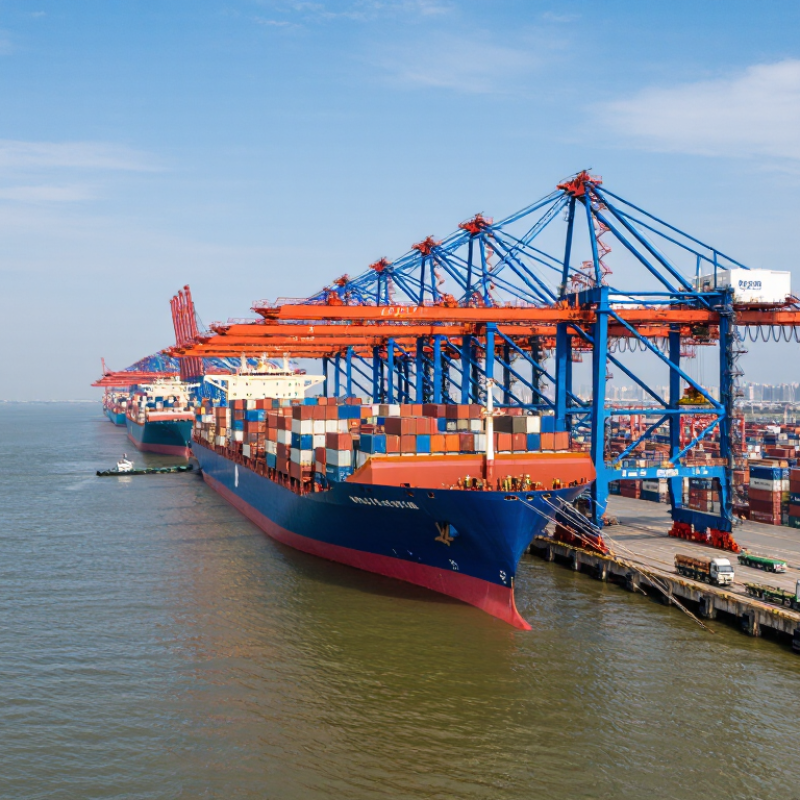
Table of Contents [Hide]
What Defines a Top US Ocean Freight Line in 2026
A top US ocean freight line in 2026 is defined by dependable execution, not advertising reach. Global buyers need stable sailing schedules, accurate booking confirmations, and equipment available near the loading site. A late container can disrupt factory production, warehouse labor, and retail delivery windows. Small delays become expensive quickly.
Operational visibility also matters. Strong carriers provide milestone updates from gate-in to final discharge. Their tracking data should show port arrival, transshipment status, customs-document readiness, and estimated delivery changes. Clear escalation channels are equally important. When a vessel is rolled or a port faces congestion, customers need a practical recovery plan, not vague reassurance. Experienced shipping teams often compare published transit times with actual performance across several months. One good voyage proves little.
Cost remains relevant, but the lowest quote may hide storage fees, documentation charges, or uncertain inland handoffs. Buyers should examine total landed logistics cost, container availability, free-time terms, and claims response procedures. Service quality can differ by trade lane. A carrier that performs well on the West Coast may offer weaker consistency through Gulf or East Coast gateways. That assumption deserves testing. Even experienced professionals can overtrust a familiar schedule. Reviewing shipment records, delay patterns, and customer references creates a more reliable decision. In 2026, the strongest ocean freight lines combine operational discipline, transparent data, responsive staff, and honest limits. Mistakes still happen. Reliable providers acknowledge them early and communicate precise next steps.

© Copyright - Pro Tool & Supply - Site by SVM E-Marketing Solutions - Sitemap
- Privacy policy