- Products
- Air Compressors & Air Tools
- Climate Control
- Compaction Equipment
- Concrete Cutting Tools & Equipment
- Concrete and Masonry
- Demolition & Excavation
- Electrical & Mechanical
- Fasteners and Anchoring Adhesives
- Floor Protection
- Generators and Welders
- Hand Tools
- Heaters
- Janitorial and Office Supplies
- Jobsite Protection
- Ladders & Storage
- Lighting & Lighting Accessories
- Man Lifts
- Material Handling Equipment
- Power Tools
- Pressure Washers & Pumps
- Safety Gear
- Safety Products
- Saws
- Surface Preparation
- SEASONAL PRODUCTS
- Rentals
- Air Compressor and Air Tool Rentals
- Climate Control Rental
- Compaction Rentals
- Concrete Equipment Rentals
- Demolition & Excavation Equipment Rentals
- Concrete Floor Grinder Rentals
- General Construction Equipment Rentals
- Generator Rentals and Welder Rentals
- Heater Rentals
- Light Tower Rentals
- Man Lift Rentals in Massachusetts and Rhode Island
- Material Handling Equipment Rentals
- Pressure Washer & Pump Rentals
- Saw Rentals in New England
- SEASONAL PRODUCTS
- Products
- Air Compressors & Air Tools
- Climate Control
- Compaction Equipment
- Concrete Cutting Tools & Equipment
- Demolition & Excavation
- Electrical & Mechanical
- Floor Protection
- Generators and Welders
- Construction Heaters
- Construction Ladders, Staging, & Storage
- Construction Lighting
- Man Lifts
- Material Handling Equipment
- Industrial Janitorial and Office Supplies
- Pressure Washers & Pumps
- Construction Safety Products
- Construction Safety Gear
- Surface Preparation
- Building Protection
- Diesel Accessories
- Zero Emissions
- Rentals
- Air Compressor and Air Tool Rentals
- Climate Control Rental
- Compaction Rentals
- Concrete Equipment Rental
- Demolition & Excavation Equipment Rental
- General Construction Equipment Rental
- Generator Rentals and Welder Rentals
- Construction Heaters Rental
- Light Tower Rentals
- Man Lift Rentals
- Material Handling Equipment Rental
- Pressure Washer & Pump Rentals
- Saw Rentals in New England
- Concrete Floor Grinder Rentals
- Zero Emissions Rentals
- Repairs & Used
- Parts
- Blog
- Services
- Resources
- About Us
- Contact Us
Sales & Rental of Construction | Industrial Equipment & Supplies


2026 Top Tools for Effective Project Management and Collaboration Tools?
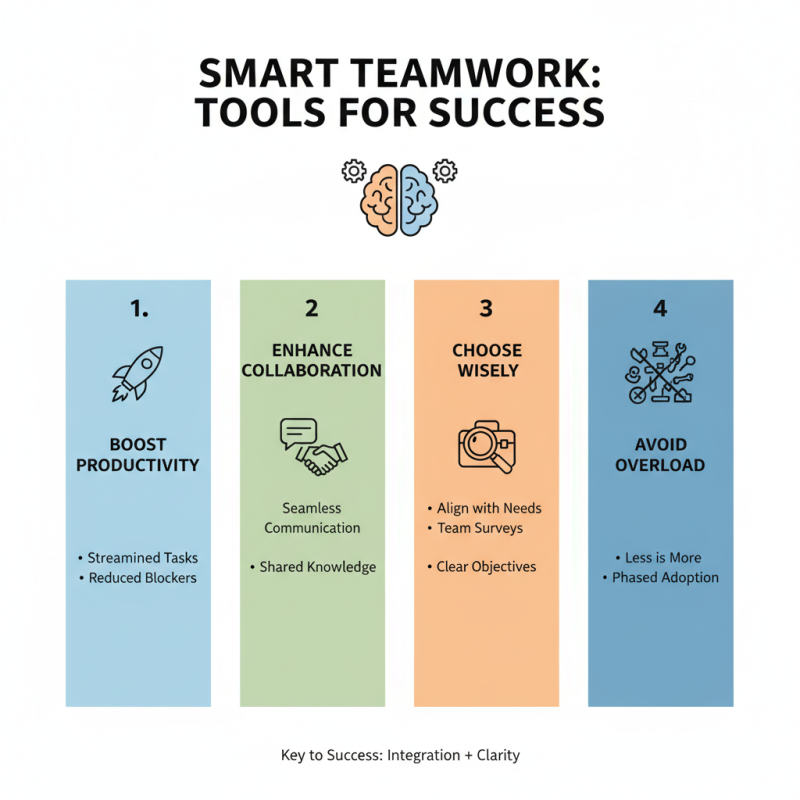
In today's fast-paced business environment, the right tools are essential for effective project management. The year 2026 introduces a variety of tools designed to enhance collaboration and efficiency. Choosing the right tools can make a significant difference in team dynamics and project outcomes.
Project management tools can simplify complex tasks. They help teams stay organized and on track. For instance, a tool may offer features for task assignment, progress tracking, and deadline reminders. These capabilities encourage accountability and transparency among team members.
However, not every tool works for every project or team. Some tools may require extensive training, which can be a barrier. Teams might also struggle with adapting to new software. Therefore, it is crucial to assess the specific needs of your team before selecting tools. Finding the perfect blend of tools requires reflection and ongoing evaluation to achieve success.

Table of Contents
[Hide]
Overview of Project Management Tools in 2026
In 2026, effective project management tools have evolved significantly. Teams now seek seamless integration for collaboration. Many tools focus on real-time updates. This allows team members to stay aligned, even when working remotely. Visual elements like Gantt charts help in tracking progress. However, these features can sometimes overwhelm users.
Despite the advancements, challenges remain. Some tools are too complex, leading to confusion. Users often struggle to find essential functions. A steep learning curve can hinder productivity. Moreover, not every team benefits from the same tool. It’s essential to choose a platform that fits specific needs. Customizability is key but can also introduce complications.
Effective communication remains a priority. Teams need tools that promote dialogue, not just task management. Simple chat functions often miss the mark. Integrating feedback loops can enhance collaboration but may require additional effort. In this rapidly changing landscape, teams must remain flexible. Adapting to new tools can be daunting, but it’s a necessary journey toward greater efficiency.
Related Posts
-

Unlocking the Power of All Tools for Everyday Productivity and Creativity
-

Top 10 New Tools Revolutionizing Digital Marketing in 2024: Enhance Your Strategy with Data-Driven Insights
-

Why Are All Tools Essential for Successful Project Management?
-

10 Essential Tips for Using All Tools Effectively in Your Projects?
-

2025 How to Choose the Best New Electrical Tools for Your Projects
-

10 Essential Tips for Choosing the Right Construction Tools for Your Projects?

© Copyright - Pro Tool & Supply - Site by SVM E-Marketing Solutions - Sitemap
- Privacy policy