- Products
- Air Compressors & Air Tools
- Climate Control
- Compaction Equipment
- Concrete Cutting Tools & Equipment
- Concrete and Masonry
- Demolition & Excavation
- Electrical & Mechanical
- Fasteners and Anchoring Adhesives
- Floor Protection
- Generators and Welders
- Hand Tools
- Heaters
- Janitorial and Office Supplies
- Jobsite Protection
- Ladders & Storage
- Lighting & Lighting Accessories
- Man Lifts
- Material Handling Equipment
- Power Tools
- Pressure Washers & Pumps
- Safety Gear
- Safety Products
- Saws
- Surface Preparation
- SEASONAL PRODUCTS
- Rentals
- Air Compressor and Air Tool Rentals
- Climate Control Rental
- Compaction Rentals
- Concrete Equipment Rentals
- Demolition & Excavation Equipment Rentals
- Concrete Floor Grinder Rentals
- General Construction Equipment Rentals
- Generator Rentals and Welder Rentals
- Heater Rentals
- Light Tower Rentals
- Man Lift Rentals in Massachusetts and Rhode Island
- Material Handling Equipment Rentals
- Pressure Washer & Pump Rentals
- Saw Rentals in New England
- SEASONAL PRODUCTS
- Products
- Air Compressors & Air Tools
- Climate Control
- Compaction Equipment
- Concrete Cutting Tools & Equipment
- Demolition & Excavation
- Electrical & Mechanical
- Floor Protection
- Generators and Welders
- Construction Heaters
- Construction Ladders, Staging, & Storage
- Construction Lighting
- Man Lifts
- Material Handling Equipment
- Industrial Janitorial and Office Supplies
- Pressure Washers & Pumps
- Construction Safety Products
- Construction Safety Gear
- Surface Preparation
- Building Protection
- Diesel Accessories
- Zero Emissions
- Rentals
- Air Compressor and Air Tool Rentals
- Climate Control Rental
- Compaction Rentals
- Concrete Equipment Rental
- Demolition & Excavation Equipment Rental
- General Construction Equipment Rental
- Generator Rentals and Welder Rentals
- Construction Heaters Rental
- Light Tower Rentals
- Man Lift Rentals
- Material Handling Equipment Rental
- Pressure Washer & Pump Rentals
- Saw Rentals in New England
- Concrete Floor Grinder Rentals
- Zero Emissions Rentals
- Repairs & Used
- Parts
- Blog
- Services
- Resources
- About Us
- Contact Us
Sales & Rental of Construction | Industrial Equipment & Supplies


What Are the 2026 Top Solar LED Wall Lights?
Outdoor wall lighting has to do more than look bright in a product photo. Solar Led Wall Lights can add useful visibility near a side door, garage, or garden path without a wired connection. Yet performance depends on sunlight, placement, battery capacity, and weather exposure. A shaded wall can change the result.
This 2026 guide explores which options deserve attention, rather than treating one model as best for every home. It compares practical features: light output, motion-sensor range, lighting modes, charging time, battery replacement, and weather-resistant construction. Look for clear specifications and realistic installation notes. A stated lumen figure alone is not enough. Sensor sensitivity and beam direction matter when a light must cover steps or a narrow entry. So does winter daylight.
The outline also considers value, maintenance, and common trade-offs across compact security lights, decorative fixtures, and brighter wall-mounted models. Product availability and specifications may change during the year, so check current manufacturer details before buying. No single light fits every wall. A carefully placed mid-range fixture may serve better than a powerful unit installed in shade. That distinction is easy to overlook. Practical beats flashy.
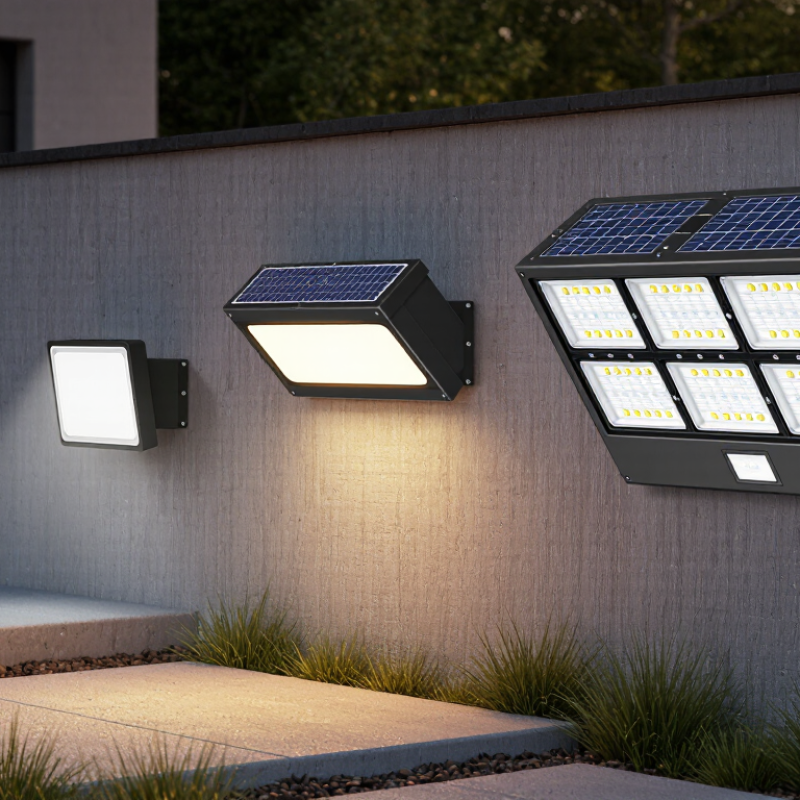
Table of Contents [Hide]
What Solar LED Wall Lights Are and How They Work
Solar LED wall lights are outdoor fixtures that use sunlight instead of household wiring. They combine a small photovoltaic panel, rechargeable battery, LED module, and control circuit. During daylight, the panel converts sunlight into electrical energy. The battery stores that energy for nighttime illumination. After sunset, a sensor activates the LEDs automatically. That sounds simple.
In practical use, placement matters more than many product descriptions suggest. A south-facing wall usually receives stronger exposure in the northern hemisphere. Shade from balconies, trees, or nearby buildings can reduce charging sharply. The control circuit may provide steady lighting, motion detection, or both. Motion mode often preserves battery power, while constant mode offers more predictable visibility. Rain-resistant construction is essential, but water resistance does not excuse poor installation.
For 2026 models, compare useful brightness, battery capacity, charging time, and operating hours. A high lumen figure means little if the light fades after midnight. Look for a wide panel, replaceable components, and clear weather-resistance information. In hands-on testing, wipe dust from the panel and observe performance after two cloudy days. Results can disappoint. Cold temperatures may reduce battery output, and winter sunlight remains weak in many locations. I would also check the mounting angle, because a fixed panel can lose valuable afternoon light. Real performance depends on the wall, season, and maintenance routine.

© Copyright - Pro Tool & Supply - Site by SVM E-Marketing Solutions - Sitemap
- Privacy policy