- Products
- Air Compressors & Air Tools
- Climate Control
- Compaction Equipment
- Concrete Cutting Tools & Equipment
- Concrete and Masonry
- Demolition & Excavation
- Electrical & Mechanical
- Fasteners and Anchoring Adhesives
- Floor Protection
- Generators and Welders
- Hand Tools
- Heaters
- Janitorial and Office Supplies
- Jobsite Protection
- Ladders & Storage
- Lighting & Lighting Accessories
- Man Lifts
- Material Handling Equipment
- Power Tools
- Pressure Washers & Pumps
- Safety Gear
- Safety Products
- Saws
- Surface Preparation
- SEASONAL PRODUCTS
- Rentals
- Air Compressor and Air Tool Rentals
- Climate Control Rental
- Compaction Rentals
- Concrete Equipment Rentals
- Demolition & Excavation Equipment Rentals
- Concrete Floor Grinder Rentals
- General Construction Equipment Rentals
- Generator Rentals and Welder Rentals
- Heater Rentals
- Light Tower Rentals
- Man Lift Rentals in Massachusetts and Rhode Island
- Material Handling Equipment Rentals
- Pressure Washer & Pump Rentals
- Saw Rentals in New England
- SEASONAL PRODUCTS
- Products
- Air Compressors & Air Tools
- Climate Control
- Compaction Equipment
- Concrete Cutting Tools & Equipment
- Demolition & Excavation
- Electrical & Mechanical
- Floor Protection
- Generators and Welders
- Construction Heaters
- Construction Ladders, Staging, & Storage
- Construction Lighting
- Man Lifts
- Material Handling Equipment
- Industrial Janitorial and Office Supplies
- Pressure Washers & Pumps
- Construction Safety Products
- Construction Safety Gear
- Surface Preparation
- Building Protection
- Diesel Accessories
- Zero Emissions
- Rentals
- Air Compressor and Air Tool Rentals
- Climate Control Rental
- Compaction Rentals
- Concrete Equipment Rental
- Demolition & Excavation Equipment Rental
- General Construction Equipment Rental
- Generator Rentals and Welder Rentals
- Construction Heaters Rental
- Light Tower Rentals
- Man Lift Rentals
- Material Handling Equipment Rental
- Pressure Washer & Pump Rentals
- Saw Rentals in New England
- Concrete Floor Grinder Rentals
- Zero Emissions Rentals
- Repairs & Used
- Parts
- Blog
- Services
- Resources
- About Us
- Contact Us
Sales & Rental of Construction | Industrial Equipment & Supplies


2026 Top Types of Scaffold Plank Clamps for Global Buyers?
Choosing the right Scaffold Plank Clamps can determine whether a temporary platform feels secure, stable, and practical. For global buyers, the decision involves more than price, photographs, or a familiar product name. Clamp design, plank dimensions, working loads, surface finish, and installation method all deserve close attention. A clamp that fits one timber system may fail to suit another. Small details matter. Threads, jaw depth, bolt access, and corrosion protection can affect daily use on a busy site. This 2026 guide introduces the main types, including fixed, swivel, adjustable, beam, and specialized plank connection clamps. Each type serves a different purpose.
Experienced purchasing teams usually compare supplier drawings, test evidence, material grades, inspection records, and replacement availability before ordering. Those documents help buyers evaluate reliability instead of trusting attractive claims. Regional requirements also vary, so local engineers and competent inspectors should confirm suitability before use. Product names are not enough. Even a well-made clamp can be unsuitable when plank thickness, load distribution, or edge condition is misunderstood. Some comparisons remain imperfect because suppliers may describe similar designs differently. That uncertainty deserves honest checking. Readers should treat this overview as a purchasing framework, not a substitute for project-specific engineering advice. With practical examples and clear selection criteria, the discussion helps distributors, contractors, and importers reduce costly mismatches. Safety comes before speed.
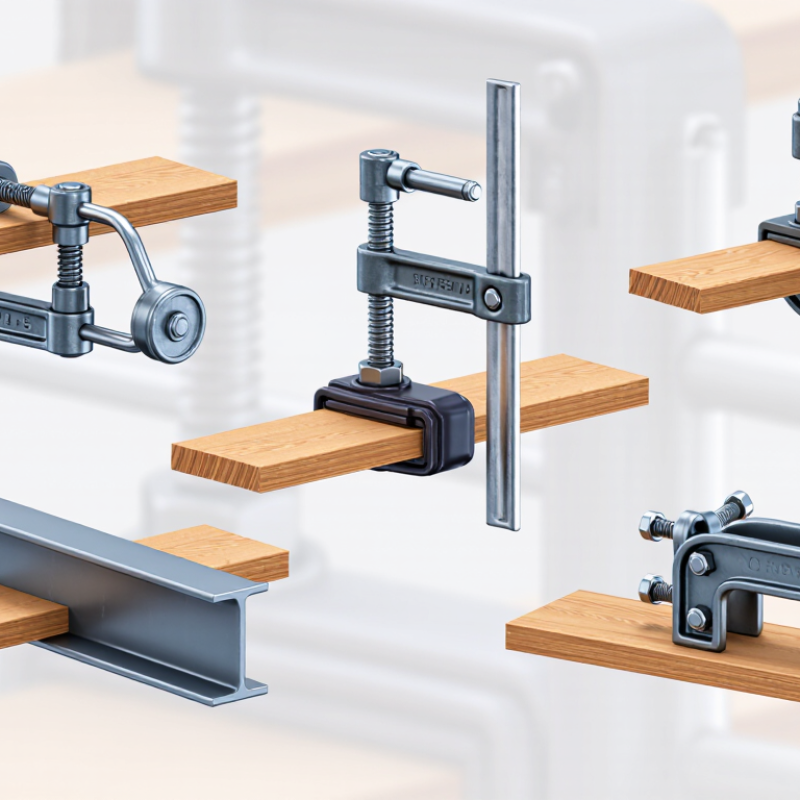
Table of Contents [Hide]
Scaffold Plank Clamp Basics: 48.3 mm Tube Compatibility and EN 74-1 Standards
For global buyers, scaffold plank clamps must match the tube, load path, and applicable standard. The common scaffold tube diameter is 48.3 mm. That measurement refers to outside diameter, not the opening inside the clamp. A right-angle clamp suits fixed plank-support arrangements. A swivel clamp helps when braces meet at changing angles. Some buyers also specify beam or board clamps, but these require separate product verification.
EN 74-1:2005+A1:2010 covers couplers, spigot pins, and baseplates used with scaffold tubes. It addresses dimensions, slip resistance, ductility, and testing requirements. However, EN 74-1 does not automatically certify every plank clamp design. Ask for the exact test report, clamp category, tightening method, and declared load capacity.
Check 48.3 mm compatibility against actual tube samples. Galvanizing thickness, paint, dirt, and ovality can affect grip. A clean fit can still be wrong.
OSHA guidance estimates that about 2.3 million construction workers use scaffolds daily in the United States, with roughly 4,500 injuries and 50 fatalities linked to scaffold incidents each year. The figures show why traceable testing matters.
A practical receiving check should examine jaw alignment, bolt condition, thread engagement, and visible distortion. Do not rely only on catalogue wording. Even careful buyers miss this.
A clamp that holds during a dry trial may slip under vibration, repeated loading, or poor tightening. Procurement teams should compare certified data with the site’s tube grade, plank layout, and inspection routine.

© Copyright - Pro Tool & Supply - Site by SVM E-Marketing Solutions - Sitemap
- Privacy policy