- Products
- Air Compressors & Air Tools
- Climate Control
- Compaction Equipment
- Concrete Cutting Tools & Equipment
- Concrete and Masonry
- Demolition & Excavation
- Electrical & Mechanical
- Fasteners and Anchoring Adhesives
- Floor Protection
- Generators and Welders
- Hand Tools
- Heaters
- Janitorial and Office Supplies
- Jobsite Protection
- Ladders & Storage
- Lighting & Lighting Accessories
- Man Lifts
- Material Handling Equipment
- Power Tools
- Pressure Washers & Pumps
- Safety Gear
- Safety Products
- Saws
- Surface Preparation
- SEASONAL PRODUCTS
- Rentals
- Air Compressor and Air Tool Rentals
- Climate Control Rental
- Compaction Rentals
- Concrete Equipment Rentals
- Demolition & Excavation Equipment Rentals
- Concrete Floor Grinder Rentals
- General Construction Equipment Rentals
- Generator Rentals and Welder Rentals
- Heater Rentals
- Light Tower Rentals
- Man Lift Rentals in Massachusetts and Rhode Island
- Material Handling Equipment Rentals
- Pressure Washer & Pump Rentals
- Saw Rentals in New England
- SEASONAL PRODUCTS
- Products
- Air Compressors & Air Tools
- Climate Control
- Compaction Equipment
- Concrete Cutting Tools & Equipment
- Demolition & Excavation
- Electrical & Mechanical
- Floor Protection
- Generators and Welders
- Construction Heaters
- Construction Ladders, Staging, & Storage
- Construction Lighting
- Man Lifts
- Material Handling Equipment
- Industrial Janitorial and Office Supplies
- Pressure Washers & Pumps
- Construction Safety Products
- Construction Safety Gear
- Surface Preparation
- Building Protection
- Diesel Accessories
- Zero Emissions
- Rentals
- Air Compressor and Air Tool Rentals
- Climate Control Rental
- Compaction Rentals
- Concrete Equipment Rental
- Demolition & Excavation Equipment Rental
- General Construction Equipment Rental
- Generator Rentals and Welder Rentals
- Construction Heaters Rental
- Light Tower Rentals
- Man Lift Rentals
- Material Handling Equipment Rental
- Pressure Washer & Pump Rentals
- Saw Rentals in New England
- Concrete Floor Grinder Rentals
- Zero Emissions Rentals
- Repairs & Used
- Parts
- Blog
- Services
- Resources
- About Us
- Contact Us
Sales & Rental of Construction | Industrial Equipment & Supplies


2026 Top Natural Gas Boiler Manufacturers for Global Buyers
Choosing a Natural Gas Boiler manufacturer in 2026 requires more than comparing prices or reading polished product brochures. Global buyers must examine thermal efficiency, combustion control, heat-exchanger materials, service coverage, and documented safety testing. A boiler may perform well in a factory showroom, yet struggle with hard water, unstable gas pressure, or winter temperatures in another market.
Details matter. Energy expert Fatih Birol has repeatedly emphasized, “Energy efficiency is the first fuel.” This principle remains highly relevant when evaluating modern Natural Gas Boiler suppliers. Efficient equipment can reduce fuel consumption, operating costs, and unnecessary emissions, but efficiency figures need context. Test conditions, installation quality, modulation range, and maintenance schedules can change real-world results.
This 2026 guide reviews leading manufacturers for international buyers, including established brands and competitive regional producers. It considers product reliability, output flexibility, controls, warranty support, spare-parts access, certifications, and distributor competence. A factory with advanced technology is not always the best partner if replacement parts take months to arrive. A lower-priced model may also become expensive after repeated service visits.
No ranking is perfect. Market conditions change quickly. Some manufacturers disclose extensive performance data, while others provide limited technical evidence. That difference deserves attention. Buyers should verify current certifications, local fuel compatibility, installer qualifications, and after-sales commitments before signing contracts. The aim is practical guidance, not a universal verdict. Real projects involve compromises, and even a carefully selected Natural Gas Boiler can underperform without correct sizing and commissioning.
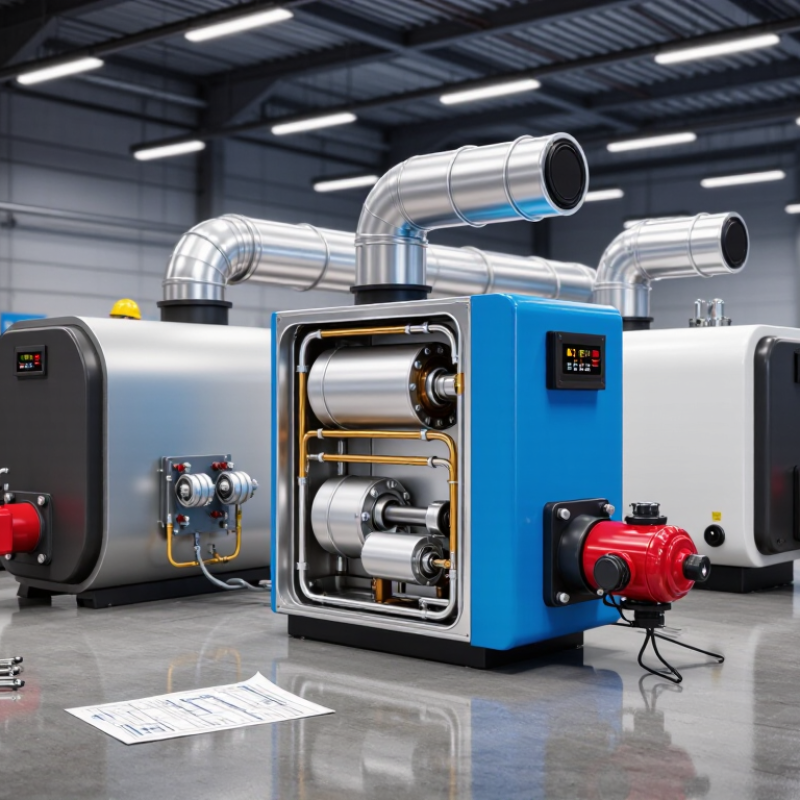
Table of Contents [Hide]
Natural Gas Boiler Basics and Core Technologies
A natural gas boiler burns methane-based fuel to heat water or produce steam. The heated water travels through pipes to radiators, underfloor loops, or air-handling coils. A sealed combustion chamber draws outdoor air and sends exhaust through a dedicated flue. This design reduces indoor contamination risks and supports stable operation.
The heat exchanger transfers energy from combustion gases into the water circuit. Stainless steel and coated aluminum are common choices, but material performance depends on water quality and operating temperature. A condensing boiler captures latent heat from water vapor in the exhaust. It needs a cool return temperature, often below 55°C, to condense effectively. Without proper system design, the claimed efficiency can remain mostly theoretical.
Modern burners adjust gas input to match heating demand. This modulation reduces cycling, temperature swings, and unnecessary fuel use. Oxygen sensors can refine combustion, while pressure switches monitor airflow and flue conditions. Essential safeguards include flame detection, automatic shutoff valves, overheat protection, and low-water controls. Installation teams should verify gas pressure, altitude settings, condensate drainage, and local code requirements. Hard water can damage components faster than expected. A specification sheet rarely shows that weakness. Even advanced controls need careful commissioning, because incorrect sensor placement can make an efficient boiler perform poorly.

© Copyright - Pro Tool & Supply - Site by SVM E-Marketing Solutions - Sitemap
- Privacy policy