- Products
- Air Compressors & Air Tools
- Climate Control
- Compaction Equipment
- Concrete Cutting Tools & Equipment
- Concrete and Masonry
- Demolition & Excavation
- Electrical & Mechanical
- Fasteners and Anchoring Adhesives
- Floor Protection
- Generators and Welders
- Hand Tools
- Heaters
- Janitorial and Office Supplies
- Jobsite Protection
- Ladders & Storage
- Lighting & Lighting Accessories
- Man Lifts
- Material Handling Equipment
- Power Tools
- Pressure Washers & Pumps
- Safety Gear
- Safety Products
- Saws
- Surface Preparation
- SEASONAL PRODUCTS
- Rentals
- Air Compressor and Air Tool Rentals
- Climate Control Rental
- Compaction Rentals
- Concrete Equipment Rentals
- Demolition & Excavation Equipment Rentals
- Concrete Floor Grinder Rentals
- General Construction Equipment Rentals
- Generator Rentals and Welder Rentals
- Heater Rentals
- Light Tower Rentals
- Man Lift Rentals in Massachusetts and Rhode Island
- Material Handling Equipment Rentals
- Pressure Washer & Pump Rentals
- Saw Rentals in New England
- SEASONAL PRODUCTS
- Products
- Air Compressors & Air Tools
- Climate Control
- Compaction Equipment
- Concrete Cutting Tools & Equipment
- Demolition & Excavation
- Electrical & Mechanical
- Floor Protection
- Generators and Welders
- Construction Heaters
- Construction Ladders, Staging, & Storage
- Construction Lighting
- Man Lifts
- Material Handling Equipment
- Industrial Janitorial and Office Supplies
- Pressure Washers & Pumps
- Construction Safety Products
- Construction Safety Gear
- Surface Preparation
- Building Protection
- Diesel Accessories
- Zero Emissions
- Rentals
- Air Compressor and Air Tool Rentals
- Climate Control Rental
- Compaction Rentals
- Concrete Equipment Rental
- Demolition & Excavation Equipment Rental
- General Construction Equipment Rental
- Generator Rentals and Welder Rentals
- Construction Heaters Rental
- Light Tower Rentals
- Man Lift Rentals
- Material Handling Equipment Rental
- Pressure Washer & Pump Rentals
- Saw Rentals in New England
- Concrete Floor Grinder Rentals
- Zero Emissions Rentals
- Repairs & Used
- Parts
- Blog
- Services
- Resources
- About Us
- Contact Us
Sales & Rental of Construction | Industrial Equipment & Supplies


What Are the 2026 Top Discharge Hose Coupler Types?
Choosing the right Discharge Hose Coupler can affect transfer speed, operator safety, and equipment life. In 2026, buyers face more options than simple threaded fittings. Camlock couplers, dry-disconnect designs, flanged connections, and quick-release systems each serve different operating conditions.
This guide examines the leading coupler types through practical selection factors. These include working pressure, temperature range, chemical compatibility, hose diameter, connection frequency, and maintenance access. A coupler used for water transfer may need only fast handling and corrosion resistance. A petroleum, chemical, or food-processing application demands tighter material control and more careful sealing performance. Small details matter, such as a gasket swelling after repeated exposure or a lever becoming difficult to lock with gloves.
Field experience often reveals what product sheets miss. Mud can enter exposed connection points. Vibrations can loosen poorly supported assemblies. A stainless-steel body may resist corrosion, but its gasket still requires regular inspection. Good selection therefore combines manufacturer specifications, verified test data, and the actual conditions at the worksite. Independent standards and qualified technical advice can also strengthen the decision.
No ranking is perfect. The “top” option depends on the media, pressure, layout, and operator habits. Some newer couplers look efficient but may complicate repairs or spare-parts sourcing. That weakness deserves attention. The following overview compares popular 2026 Discharge Hose Coupler types, highlighting their strengths, limitations, and most suitable applications. It aims to support confident purchasing without treating one design as a universal answer. Practical judgment still matters.
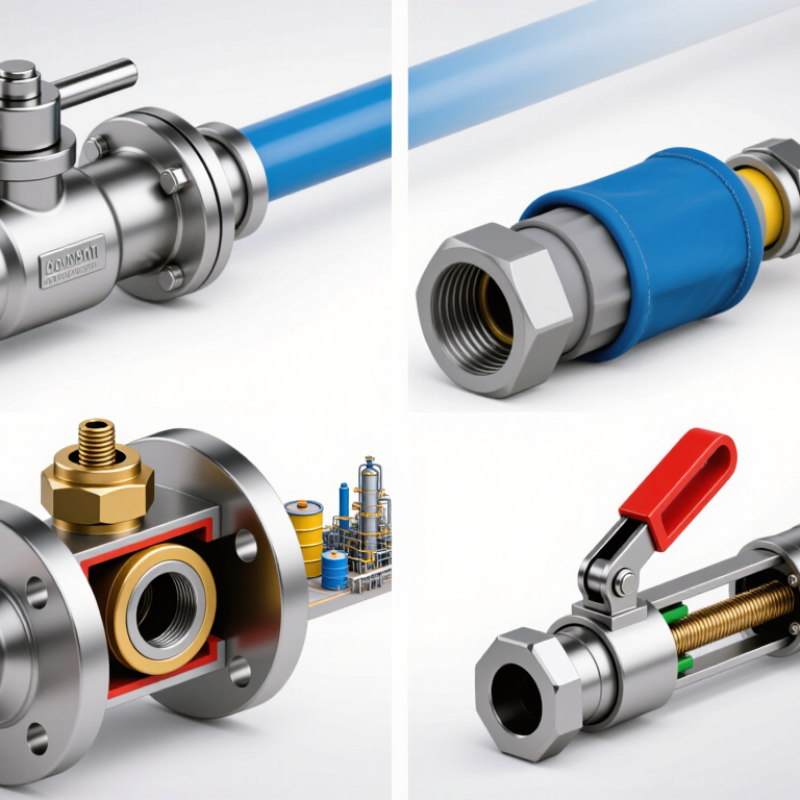
Table of Contents [Hide]
Discharge Hose Couplers: Definition and Core Functions
What Are the 2026 Top Discharge Hose Coupler Types?
Discharge hose couplers are mechanical fittings connecting a hose to a pump, pipe, tank, or manifold. Their core functions include sealing the flow path, transferring pressure safely, and enabling controlled disconnection. A properly selected coupler also limits hose twisting near the connection. This small fitting carries serious responsibility.
In 2026, common discharge coupler types include cam-and-groove, threaded, flanged, quick-connect, and dry-disconnect designs. Cam-and-groove couplers support fast handling during routine transfer work. Threaded couplers offer strong engagement, but damaged threads can delay maintenance. Flanged connections suit fixed systems with higher stability requirements. Quick-connect and dry-disconnect types reduce spill exposure during frequent hose changes. The weak point is not always the coupler.
The Industrial Hose Market report by Grand View Research estimated the sector at approximately USD 15 billion in 2023 and projected continued growth through 2030. A separate 2024 analysis from MarketsandMarkets linked growth to expanding fluid-transfer demand and stricter handling requirements. These figures support wider coupler adoption, but they do not replace site testing. Temperature, pressure pulses, fluid viscosity, and hose movement can change real performance. Fit matters more. In field inspections, a visually clean coupler may still show seal compression, grit, or uneven locking. Selecting the 2026 “top” type therefore requires evidence from operating conditions, inspection records, and manufacturer-rated pressure data. A perfect catalog match can still fail when operators overlook alignment.

© Copyright - Pro Tool & Supply - Site by SVM E-Marketing Solutions - Sitemap
- Privacy policy