- Products
- Air Compressors & Air Tools
- Climate Control
- Compaction Equipment
- Concrete Cutting Tools & Equipment
- Concrete and Masonry
- Demolition & Excavation
- Electrical & Mechanical
- Fasteners and Anchoring Adhesives
- Floor Protection
- Generators and Welders
- Hand Tools
- Heaters
- Janitorial and Office Supplies
- Jobsite Protection
- Ladders & Storage
- Lighting & Lighting Accessories
- Man Lifts
- Material Handling Equipment
- Power Tools
- Pressure Washers & Pumps
- Safety Gear
- Safety Products
- Saws
- Surface Preparation
- SEASONAL PRODUCTS
- Rentals
- Air Compressor and Air Tool Rentals
- Climate Control Rental
- Compaction Rentals
- Concrete Equipment Rentals
- Demolition & Excavation Equipment Rentals
- Concrete Floor Grinder Rentals
- General Construction Equipment Rentals
- Generator Rentals and Welder Rentals
- Heater Rentals
- Light Tower Rentals
- Man Lift Rentals in Massachusetts and Rhode Island
- Material Handling Equipment Rentals
- Pressure Washer & Pump Rentals
- Saw Rentals in New England
- SEASONAL PRODUCTS
- Products
- Air Compressors & Air Tools
- Climate Control
- Compaction Equipment
- Concrete Cutting Tools & Equipment
- Demolition & Excavation
- Electrical & Mechanical
- Floor Protection
- Generators and Welders
- Construction Heaters
- Construction Ladders, Staging, & Storage
- Construction Lighting
- Man Lifts
- Material Handling Equipment
- Industrial Janitorial and Office Supplies
- Pressure Washers & Pumps
- Construction Safety Products
- Construction Safety Gear
- Surface Preparation
- Building Protection
- Diesel Accessories
- Zero Emissions
- Rentals
- Air Compressor and Air Tool Rentals
- Climate Control Rental
- Compaction Rentals
- Concrete Equipment Rental
- Demolition & Excavation Equipment Rental
- General Construction Equipment Rental
- Generator Rentals and Welder Rentals
- Construction Heaters Rental
- Light Tower Rentals
- Man Lift Rentals
- Material Handling Equipment Rental
- Pressure Washer & Pump Rentals
- Saw Rentals in New England
- Concrete Floor Grinder Rentals
- Zero Emissions Rentals
- Repairs & Used
- Parts
- Blog
- Services
- Resources
- About Us
- Contact Us
Sales & Rental of Construction | Industrial Equipment & Supplies


2026 Top Thermal Break Systems Buying Guide
Choosing a thermal barrier for a building is rarely as simple as comparing prices. A reliable 2026 buying decision requires attention to frame design, material performance, installation quality, and long-term maintenance. This guide examines how a Thermal Break system reduces heat transfer through aluminum and other conductive frame materials. It also explains why a strong product specification can still fail when site conditions are ignored.
Look beyond marketing claims. Review the frame’s Uf value, thermal conductivity, cavity design, pressure performance, and compatibility with glazing systems. Check whether the stated results come from recognized laboratory testing or only internal calculations. Small details matter. A poorly aligned strip, an unsealed joint, or a missing isolator can create a cold bridge around the window edge. These defects may appear as interior condensation, surface staining, or uncomfortable drafts during winter.
Practical experience shows that product selection should include the installer, fabricator, and building designer. Their coordination often reveals problems before ordering begins. No system is perfect. Some high-performance profiles increase cost, fabrication time, or frame depth. Others offer excellent insulation but limited flexibility for unusual façades. Buyers should compare complete assemblies rather than isolated components. That means reviewing the profile, glass, gaskets, fasteners, drainage, and installation method together. Requirements also vary by climate, building type, and local standards. Verify current technical documents before making a final purchase. This guide provides a professional framework, but it should not replace project-specific testing or qualified advice.
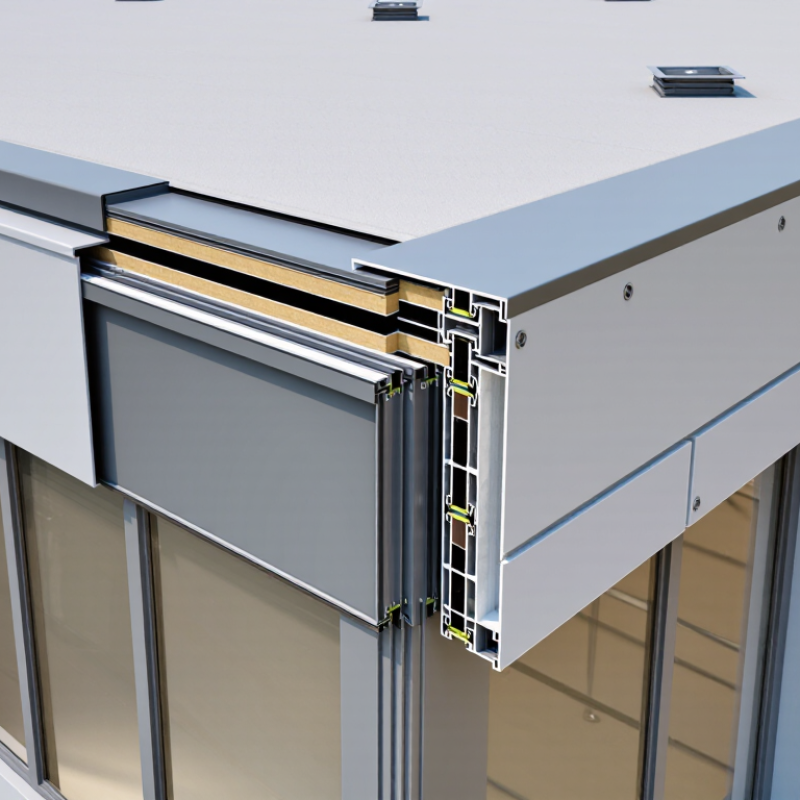
Table of Contents [Hide]
Thermal Break Basics: Aluminum at 160–205 W/m·K vs Polyamide at ≈0.3 W/m·K
Thermal breaks reduce heat flow through aluminum frames. Aluminum typically conducts heat at 160–205 W/m·K, depending on alloy and temperature. Polyamide conducts about 0.3 W/m·K. The contrast is substantial. A polyamide barrier interrupts the conductive path between interior and exterior metal sections.
However, conductivity alone does not determine real performance. Frame geometry, cavity depth, seals, fasteners, and installation quality also matter. In practical façade evaluations, poorly fitted insulation can create narrow thermal bridges around corners and screw points. Condensation may then appear near interior edges, even when the material data looks impressive. Laboratory values are useful, but they are not the whole building.
Tips: Check certified thermal transmittance data for the complete frame, not only the raw materials. Ask whether testing reflects the intended glass thickness, gaskets, drainage design, and installation method. Review surface temperatures at vulnerable corners. A small detail can change comfort noticeably. Also verify dimensional tolerances and moisture protection during assembly.
One caution remains. Comparing 160–205 with 0.3 W/m·K is technically helpful, but somewhat incomplete. Polyamide may limit heat transfer strongly, while aluminum still provides structural strength. The best system balances both roles. I would not select a thermal break by conductivity figures alone.-vesm

© Copyright - Pro Tool & Supply - Site by SVM E-Marketing Solutions - Sitemap
- Privacy policy