- Products
- Air Compressors & Air Tools
- Climate Control
- Compaction Equipment
- Concrete Cutting Tools & Equipment
- Concrete and Masonry
- Demolition & Excavation
- Electrical & Mechanical
- Fasteners and Anchoring Adhesives
- Floor Protection
- Generators and Welders
- Hand Tools
- Heaters
- Janitorial and Office Supplies
- Jobsite Protection
- Ladders & Storage
- Lighting & Lighting Accessories
- Man Lifts
- Material Handling Equipment
- Power Tools
- Pressure Washers & Pumps
- Safety Gear
- Safety Products
- Saws
- Surface Preparation
- SEASONAL PRODUCTS
- Rentals
- Air Compressor and Air Tool Rentals
- Climate Control Rental
- Compaction Rentals
- Concrete Equipment Rentals
- Demolition & Excavation Equipment Rentals
- Concrete Floor Grinder Rentals
- General Construction Equipment Rentals
- Generator Rentals and Welder Rentals
- Heater Rentals
- Light Tower Rentals
- Man Lift Rentals in Massachusetts and Rhode Island
- Material Handling Equipment Rentals
- Pressure Washer & Pump Rentals
- Saw Rentals in New England
- SEASONAL PRODUCTS
- Products
- Air Compressors & Air Tools
- Climate Control
- Compaction Equipment
- Concrete Cutting Tools & Equipment
- Demolition & Excavation
- Electrical & Mechanical
- Floor Protection
- Generators and Welders
- Construction Heaters
- Construction Ladders, Staging, & Storage
- Construction Lighting
- Man Lifts
- Material Handling Equipment
- Industrial Janitorial and Office Supplies
- Pressure Washers & Pumps
- Construction Safety Products
- Construction Safety Gear
- Surface Preparation
- Building Protection
- Diesel Accessories
- Zero Emissions
- Rentals
- Air Compressor and Air Tool Rentals
- Climate Control Rental
- Compaction Rentals
- Concrete Equipment Rental
- Demolition & Excavation Equipment Rental
- General Construction Equipment Rental
- Generator Rentals and Welder Rentals
- Construction Heaters Rental
- Light Tower Rentals
- Man Lift Rentals
- Material Handling Equipment Rental
- Pressure Washer & Pump Rentals
- Saw Rentals in New England
- Concrete Floor Grinder Rentals
- Zero Emissions Rentals
- Repairs & Used
- Parts
- Blog
- Services
- Resources
- About Us
- Contact Us
Sales & Rental of Construction | Industrial Equipment & Supplies


2026 How to Use All Tools for Maximum Efficiency?
In the modern landscape of work, efficiency is paramount. To achieve this, one must master all tools available. With the right tools, tasks become more manageable, and productivity soars. Yet, many fail to utilize these tools effectively. Often, they overlook features that enhance their capabilities.
Imagine struggling with a project without leveraging all tools at your disposal. A simple software might have functions that streamline processes. However, many users stick to the basics, missing out on potential improvements. This reveals a gap in understanding and usage.
Efficiency isn’t just about having tools; it’s about knowing how to apply all tools wisely. Reflecting on past experiences can highlight missed opportunities. Identifying these gaps is crucial for personal and team growth. By recognizing the full potential of all tools, one can transform workflows for better outcomes.

Table of Contents
[Hide]
Understanding the Concept of Efficiency in Tool Utilization
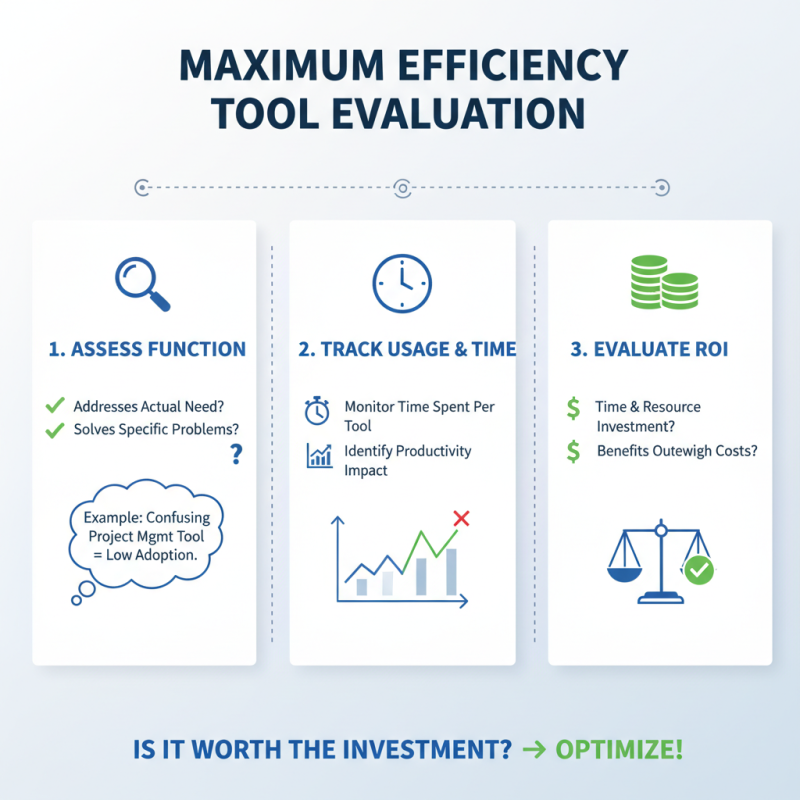
Efficiency in tool utilization relies on understanding the purpose and limitations of each tool. Not every tool is perfect for every job. For instance, a hammer is great for driving nails but ineffective for precision tasks. Recognizing this can save time and effort. It can also prevent frustration when tools do not perform as expected.
Moreover, consider how tools interact with each other. Some combinations can enhance efficiency, while others can disrupt workflows. For example, using a digital planner alongside a physical notebook may lead to confusion. Finding the right balance is critical. Experimenting with different setups often reveals unexpected insights.
Reflection is key when optimizing tool use. Regularly assess which tools contribute positively to productivity. Ask questions about their effectiveness. If a tool feels cumbersome, it might be time to explore alternatives. Integration should feel seamless, not stressful. Embracing imperfections in this process can lead to greater efficiency in the long run.
Related Posts
-
Unlocking the Power of All Tools for Everyday Productivity and Creativity
-

Why Are All Tools Essential for Successful Project Management?
-

2025 Guide: How to Choose the Best Electric Heaters for Your Home
-

Top 10 Essential Shop Tools Every DIY Enthusiast Should Own
-

Top 10 New Tools Transforming Digital Workflows You Need to Know About
-
Top 5 Essential Hand Tools Every DIY Enthusiast Should Own

© Copyright - Pro Tool & Supply - Site by SVM E-Marketing Solutions - Sitemap
- Privacy policy