- Products
- Air Compressors & Air Tools
- Climate Control
- Compaction Equipment
- Concrete Cutting Tools & Equipment
- Concrete and Masonry
- Demolition & Excavation
- Electrical & Mechanical
- Fasteners and Anchoring Adhesives
- Floor Protection
- Generators and Welders
- Hand Tools
- Heaters
- Janitorial and Office Supplies
- Jobsite Protection
- Ladders & Storage
- Lighting & Lighting Accessories
- Man Lifts
- Material Handling Equipment
- Power Tools
- Pressure Washers & Pumps
- Safety Gear
- Safety Products
- Saws
- Surface Preparation
- SEASONAL PRODUCTS
- Rentals
- Air Compressor and Air Tool Rentals
- Climate Control Rental
- Compaction Rentals
- Concrete Equipment Rentals
- Demolition & Excavation Equipment Rentals
- Concrete Floor Grinder Rentals
- General Construction Equipment Rentals
- Generator Rentals and Welder Rentals
- Heater Rentals
- Light Tower Rentals
- Man Lift Rentals in Massachusetts and Rhode Island
- Material Handling Equipment Rentals
- Pressure Washer & Pump Rentals
- Saw Rentals in New England
- SEASONAL PRODUCTS
- Products
- Air Compressors & Air Tools
- Climate Control
- Compaction Equipment
- Concrete Cutting Tools & Equipment
- Demolition & Excavation
- Electrical & Mechanical
- Floor Protection
- Generators and Welders
- Construction Heaters
- Construction Ladders, Staging, & Storage
- Construction Lighting
- Man Lifts
- Material Handling Equipment
- Industrial Janitorial and Office Supplies
- Pressure Washers & Pumps
- Construction Safety Products
- Construction Safety Gear
- Surface Preparation
- Building Protection
- Diesel Accessories
- Zero Emissions
- Rentals
- Air Compressor and Air Tool Rentals
- Climate Control Rental
- Compaction Rentals
- Concrete Equipment Rental
- Demolition & Excavation Equipment Rental
- General Construction Equipment Rental
- Generator Rentals and Welder Rentals
- Construction Heaters Rental
- Light Tower Rentals
- Man Lift Rentals
- Material Handling Equipment Rental
- Pressure Washer & Pump Rentals
- Saw Rentals in New England
- Concrete Floor Grinder Rentals
- Zero Emissions Rentals
- Repairs & Used
- Parts
- Blog
- Services
- Resources
- About Us
- Contact Us
Sales & Rental of Construction | Industrial Equipment & Supplies


2026 Top Fiber Laser Cutting Machine Trends You Need to Know?
As we approach 2026, the landscape of the Fiber Laser Cutting Machine industry is rapidly evolving. These machines are becoming essential tools for manufacturers worldwide. They offer precision and speed that traditional cutting methods simply cannot match. In this article, we will explore the top trends shaping the future of fiber laser cutting technology.
Every year introduces new innovations and refinements. Advances in software and hardware are pushing the capabilities of fiber laser cutting machines. Manufacturers are focusing on eco-friendly designs as sustainability becomes a priority. Yet, with these advancements, challenges remain. Not all companies have the resources to adopt the latest technology. Additionally, the learning curve can be steep, leading to hesitations.
Staying informed about these trends is crucial for businesses aiming to stay competitive. The fiber laser cutting machine market is dynamic and ever-changing. Understanding the current trends can provide insights into strategic investments. As we delve into the specifics, consider how these developments may impact your operations and decision-making.
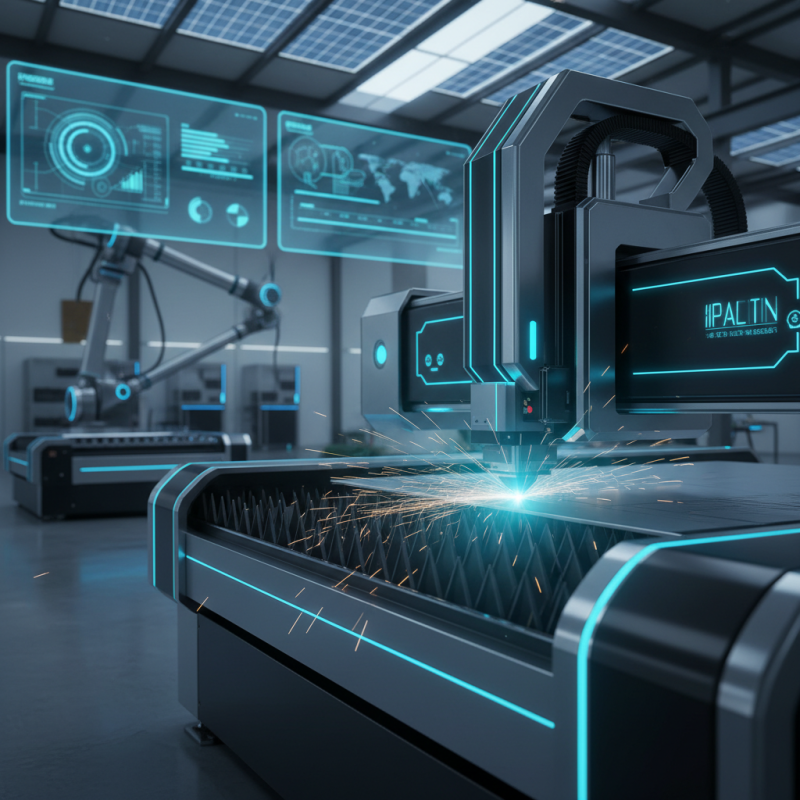
Table of Contents [Hide]
Emerging Technologies in Fiber Laser Cutting Machines for 2026
Emerging technologies in fiber laser cutting machines are set to reshape the industry by 2026. One pivotal trend is the integration of Artificial Intelligence (AI) in cutting processes. AI can optimize cutting parameters in real time, enhancing efficiency. Reports suggest that AI implementation might increase productivity by up to 30%, allowing manufacturers to reduce waste and lower operational costs significantly.
Another noteworthy development is the advancement of high-power laser sources. The transition to fiber lasers with enhanced power ratings improves cutting speeds and precision. Research indicates that machines with 20 kW capabilities can cut materials up to 25% faster than their predecessors. This breakthrough enables manufacturers to handle thicker materials without compromising on edge quality.
However, the rapid pace of technological advancement poses challenges. Many companies struggle to adapt to these innovations, risking obsolescence. Continuous training and investment in new technologies are essential yet often overlooked. As the industry evolves, organizations must remain vigilant. Ongoing evaluation of these emerging technologies will be critical for staying competitive in the fiber laser cutting market.

© Copyright - Pro Tool & Supply - Site by SVM E-Marketing Solutions - Sitemap
- Privacy policy