- Products
- Air Compressors & Air Tools
- Climate Control
- Compaction Equipment
- Concrete Cutting Tools & Equipment
- Concrete and Masonry
- Demolition & Excavation
- Electrical & Mechanical
- Fasteners and Anchoring Adhesives
- Floor Protection
- Generators and Welders
- Hand Tools
- Heaters
- Janitorial and Office Supplies
- Jobsite Protection
- Ladders & Storage
- Lighting & Lighting Accessories
- Man Lifts
- Material Handling Equipment
- Power Tools
- Pressure Washers & Pumps
- Safety Gear
- Safety Products
- Saws
- Surface Preparation
- SEASONAL PRODUCTS
- Rentals
- Air Compressor and Air Tool Rentals
- Climate Control Rental
- Compaction Rentals
- Concrete Equipment Rentals
- Demolition & Excavation Equipment Rentals
- Concrete Floor Grinder Rentals
- General Construction Equipment Rentals
- Generator Rentals and Welder Rentals
- Heater Rentals
- Light Tower Rentals
- Man Lift Rentals in Massachusetts and Rhode Island
- Material Handling Equipment Rentals
- Pressure Washer & Pump Rentals
- Saw Rentals in New England
- SEASONAL PRODUCTS
- Products
- Air Compressors & Air Tools
- Climate Control
- Compaction Equipment
- Concrete Cutting Tools & Equipment
- Demolition & Excavation
- Electrical & Mechanical
- Floor Protection
- Generators and Welders
- Construction Heaters
- Construction Ladders, Staging, & Storage
- Construction Lighting
- Man Lifts
- Material Handling Equipment
- Industrial Janitorial and Office Supplies
- Pressure Washers & Pumps
- Construction Safety Products
- Construction Safety Gear
- Surface Preparation
- Building Protection
- Diesel Accessories
- Zero Emissions
- Rentals
- Air Compressor and Air Tool Rentals
- Climate Control Rental
- Compaction Rentals
- Concrete Equipment Rental
- Demolition & Excavation Equipment Rental
- General Construction Equipment Rental
- Generator Rentals and Welder Rentals
- Construction Heaters Rental
- Light Tower Rentals
- Man Lift Rentals
- Material Handling Equipment Rental
- Pressure Washer & Pump Rentals
- Saw Rentals in New England
- Concrete Floor Grinder Rentals
- Zero Emissions Rentals
- Repairs & Used
- Parts
- Blog
- Services
- Resources
- About Us
- Contact Us
Sales & Rental of Construction | Industrial Equipment & Supplies


2026 Best String Wound Filter Cartridges for Global Buyers
For global buyers, choosing the right String Wound Filter Cartridges requires more than comparing prices. Applications may involve drinking water, industrial process fluids, chemicals, oils, or prefiltration systems. Each environment demands different materials, micron ratings, dimensions, and pressure limits. A cartridge that performs well in a clean water line may fail quickly in a high-sediment process.
This 2026 guide examines leading options through practical purchasing criteria. We consider polypropylene, cotton, polyester, and other common media choices. We also assess core size, end-cap design, temperature resistance, flow capacity, and dirt-holding performance. Details matter. Nominal and absolute ratings are not interchangeable, yet product listings sometimes present them too loosely. Buyers should request current datasheets, batch information, and compatibility evidence before placing large orders.
Reliable selection also depends on supplier experience and manufacturing control. Look for traceable materials, consistent winding density, documented quality checks, and clear replacement guidance. Independent laboratory testing can strengthen confidence, especially when filtration performance affects sensitive equipment. However, no shortlist is perfect. Real-world water quality, installation conditions, and maintenance habits can change results. A lower-cost cartridge may appear attractive, but frequent replacement can increase labor, waste, and downtime. Conversely, an expensive option may offer little value without verified performance. This guide helps international purchasers compare credible products with a careful, evidence-based approach. Always confirm specifications with the manufacturer before final approval.
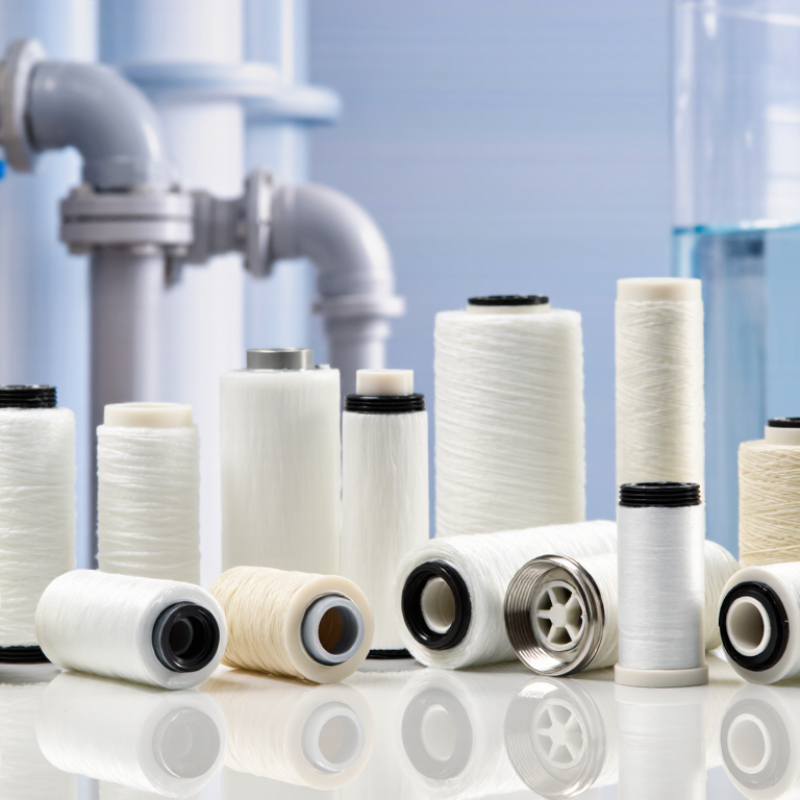
Table of Contents [Hide]
What Are String Wound Filter Cartridges?
What Are String Wound Filter Cartridges?
String wound filter cartridges are depth-filtration elements made by wrapping yarn around a central support core. The winding pattern creates small passages that trap suspended particles throughout the cartridge. Unlike surface filters, they can hold contaminants across several layers. This design is useful for reducing sand, rust, silt, and other visible debris in water and industrial liquids. The cartridge may use polypropylene, cotton, or other compatible fibers. Material selection matters because temperature and chemical exposure can change performance.
In practical filtration work, technicians often inspect the winding density before installation. A tighter outer layer can capture finer particles, while a looser structure may provide better flow. Cartridges are commonly selected by length, outside diameter, connection type, and nominal or absolute micron rating. These ratings should be checked carefully. They are not always directly comparable between suppliers. A cartridge marked with a smaller micron value is not automatically the best choice.
Flow rate, pressure drop, liquid temperature, and contaminant concentration also affect service life. A heavily loaded cartridge may show rising differential pressure before the liquid looks visibly dirty. That detail is easy to miss. Buyers should review test data, material certificates, and operating limits with a qualified filtration engineer. Field experience also shows that poor housing seals can undermine a good cartridge. The filter is only one part of the system.

© Copyright - Pro Tool & Supply - Site by SVM E-Marketing Solutions - Sitemap
- Privacy policy