- Products
- Air Compressors & Air Tools
- Climate Control
- Compaction Equipment
- Concrete Cutting Tools & Equipment
- Concrete and Masonry
- Demolition & Excavation
- Electrical & Mechanical
- Fasteners and Anchoring Adhesives
- Floor Protection
- Generators and Welders
- Hand Tools
- Heaters
- Janitorial and Office Supplies
- Jobsite Protection
- Ladders & Storage
- Lighting & Lighting Accessories
- Man Lifts
- Material Handling Equipment
- Power Tools
- Pressure Washers & Pumps
- Safety Gear
- Safety Products
- Saws
- Surface Preparation
- SEASONAL PRODUCTS
- Rentals
- Air Compressor and Air Tool Rentals
- Climate Control Rental
- Compaction Rentals
- Concrete Equipment Rentals
- Demolition & Excavation Equipment Rentals
- Concrete Floor Grinder Rentals
- General Construction Equipment Rentals
- Generator Rentals and Welder Rentals
- Heater Rentals
- Light Tower Rentals
- Man Lift Rentals in Massachusetts and Rhode Island
- Material Handling Equipment Rentals
- Pressure Washer & Pump Rentals
- Saw Rentals in New England
- SEASONAL PRODUCTS
- Products
- Air Compressors & Air Tools
- Climate Control
- Compaction Equipment
- Concrete Cutting Tools & Equipment
- Demolition & Excavation
- Electrical & Mechanical
- Floor Protection
- Generators and Welders
- Construction Heaters
- Construction Ladders, Staging, & Storage
- Construction Lighting
- Man Lifts
- Material Handling Equipment
- Industrial Janitorial and Office Supplies
- Pressure Washers & Pumps
- Construction Safety Products
- Construction Safety Gear
- Surface Preparation
- Building Protection
- Diesel Accessories
- Zero Emissions
- Rentals
- Air Compressor and Air Tool Rentals
- Climate Control Rental
- Compaction Rentals
- Concrete Equipment Rental
- Demolition & Excavation Equipment Rental
- General Construction Equipment Rental
- Generator Rentals and Welder Rentals
- Construction Heaters Rental
- Light Tower Rentals
- Man Lift Rentals
- Material Handling Equipment Rental
- Pressure Washer & Pump Rentals
- Saw Rentals in New England
- Concrete Floor Grinder Rentals
- Zero Emissions Rentals
- Repairs & Used
- Parts
- Blog
- Services
- Resources
- About Us
- Contact Us
Sales & Rental of Construction | Industrial Equipment & Supplies


2026 Best Power Tool Accessories for Global Buyers
Choosing the right Power Tool Accessories in 2026 requires more than comparing prices or browsing attractive product photos. Global buyers need reliable performance, clear specifications, and dependable supply conditions.
A practical assessment starts with the jobsite. A masonry drill bit should survive concrete dust, while a circular saw blade must maintain clean cuts through plywood, hardwood, or composite panels. Small details matter. Shank size, thread type, coating, tooth geometry, and heat resistance can determine whether an accessory fits safely and performs consistently. Experienced purchasers should request samples, review test data, and check compatibility with specific tool models.
Availability also deserves close attention. Export packaging should protect cutting edges, batteries, and precision components from moisture and impact. Suppliers should provide traceable materials, consistent batch quality, and documentation suited to the destination market. Independent testing and recognized quality systems can strengthen confidence, but certificates never replace practical inspection.
There is no universal best choice. A premium accessory may reduce downtime, yet a lower-cost option can work well for occasional use. Sometimes, catalog descriptions sound more convincing than real workshop results. That is why a controlled trial remains valuable. Test the accessory under realistic pressure, record wear, and compare total operating cost instead of purchase price alone.
This guide examines leading accessory categories for drills, grinders, saws, sanders, and fastening tools. It focuses on durability, compatibility, safety, logistics, and value for international buyers. Some recommendations may change as materials, tool platforms, and regional requirements develop. Careful verification remains essential.
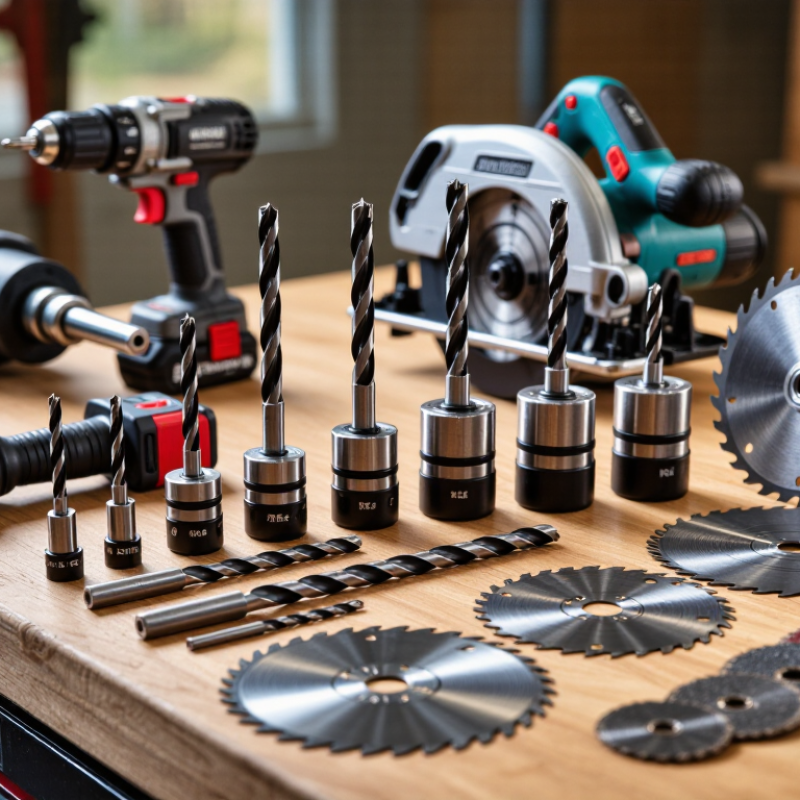
Table of Contents [Hide]
Power Tool Accessory Categories and Their Core Functions
Global buyers need more than a long accessory list. They need clear functions, verified fit, and predictable service life. Grand View Research estimates the global power tools market reached about US$36.5 billion in 2023, with continued growth through 2030. MarketsandMarkets also forecasts steady expansion, although its figures differ because market definitions vary. Reports are not perfectly aligned.
Drill and driver bits create holes and drive fasteners. Masonry bits require carbide tips for concrete and brick. Twist bits suit metal and general-purpose drilling. Saw blades control cutting speed, finish, and material compatibility. Fine-tooth blades reduce splintering in wood. Coarse blades remove material faster. Choose carefully.
Grinding wheels and cutting discs remove stock, clean welds, or separate metal. Their thickness affects control and cutting speed. Sanding discs refine surfaces, while polishing pads improve appearance without removing much material. Hole saws produce larger openings for pipes and wiring. Abrasive products need correct diameter, speed rating, and mounting fit.
In field purchasing, compatibility failures cause more delays than modest price differences. Fit matters more. A low-cost bit may perform well once, then overheat quickly. Dust-extraction accessories improve visibility and reduce airborne particles during drilling or sanding. Still, extraction cannot replace suitable protective equipment or proper ventilation. Product descriptions should state material use, dimensions, operating limits, and tested applications. Heat tells a story. That detail is often ignored.

© Copyright - Pro Tool & Supply - Site by SVM E-Marketing Solutions - Sitemap
- Privacy policy