- Products
- Air Compressors & Air Tools
- Climate Control
- Compaction Equipment
- Concrete Cutting Tools & Equipment
- Concrete and Masonry
- Demolition & Excavation
- Electrical & Mechanical
- Fasteners and Anchoring Adhesives
- Floor Protection
- Generators and Welders
- Hand Tools
- Heaters
- Janitorial and Office Supplies
- Jobsite Protection
- Ladders & Storage
- Lighting & Lighting Accessories
- Man Lifts
- Material Handling Equipment
- Power Tools
- Pressure Washers & Pumps
- Safety Gear
- Safety Products
- Saws
- Surface Preparation
- SEASONAL PRODUCTS
- Rentals
- Air Compressor and Air Tool Rentals
- Climate Control Rental
- Compaction Rentals
- Concrete Equipment Rentals
- Demolition & Excavation Equipment Rentals
- Concrete Floor Grinder Rentals
- General Construction Equipment Rentals
- Generator Rentals and Welder Rentals
- Heater Rentals
- Light Tower Rentals
- Man Lift Rentals in Massachusetts and Rhode Island
- Material Handling Equipment Rentals
- Pressure Washer & Pump Rentals
- Saw Rentals in New England
- SEASONAL PRODUCTS
- Products
- Air Compressors & Air Tools
- Climate Control
- Compaction Equipment
- Concrete Cutting Tools & Equipment
- Demolition & Excavation
- Electrical & Mechanical
- Floor Protection
- Generators and Welders
- Construction Heaters
- Construction Ladders, Staging, & Storage
- Construction Lighting
- Man Lifts
- Material Handling Equipment
- Industrial Janitorial and Office Supplies
- Pressure Washers & Pumps
- Construction Safety Products
- Construction Safety Gear
- Surface Preparation
- Building Protection
- Diesel Accessories
- Zero Emissions
- Rentals
- Air Compressor and Air Tool Rentals
- Climate Control Rental
- Compaction Rentals
- Concrete Equipment Rental
- Demolition & Excavation Equipment Rental
- General Construction Equipment Rental
- Generator Rentals and Welder Rentals
- Construction Heaters Rental
- Light Tower Rentals
- Man Lift Rentals
- Material Handling Equipment Rental
- Pressure Washer & Pump Rentals
- Saw Rentals in New England
- Concrete Floor Grinder Rentals
- Zero Emissions Rentals
- Repairs & Used
- Parts
- Blog
- Services
- Resources
- About Us
- Contact Us
Sales & Rental of Construction | Industrial Equipment & Supplies


2026 Best Oil Separator Types for Global Buyers?
Choosing the best Oil Separator in 2026 requires more than comparing catalogue prices. Global buyers face different wastewater temperatures, oil densities, flow rates, and discharge standards. A separator working well in a food-processing plant may fail beside a busy vehicle workshop.
Industry data shows continuing demand for oil-water treatment equipment. Grand View Research identifies industrial wastewater growth as a major market driver. MarketsandMarkets also highlights stricter discharge requirements and rising environmental investment. However, market forecasts do not replace site testing. A neat spreadsheet can still mislead.
The U.S. Environmental Protection Agency recommends evaluating influent characteristics, hydraulic loading, maintenance needs, and final discharge conditions. API Publication 421 remains an important reference for gravity oil-water separator design. Coalescing plate separators, CPI units, hydrocyclones, and dissolved air flotation systems each solve different problems. None is universally “best.”
Wastewater engineering expert George Tchobanoglous offers a useful principle: “Treatment must match the wastewater and the objective.” That idea should guide every 2026 purchasing decision. Buyers need verified performance data, not only impressive removal percentages. Ask for testing conditions, droplet-size assumptions, retention time, and cleaning requirements.
Experience also reveals an uncomfortable detail. Many failures begin with poor upstream control. Excess solids, detergents, emulsified oils, and sudden flow surges can overwhelm expensive equipment. The right Oil Separator is therefore a complete treatment decision, not a standalone product choice. This guide compares the main separator types, their practical strengths, limitations, and suitability for global industrial applications.
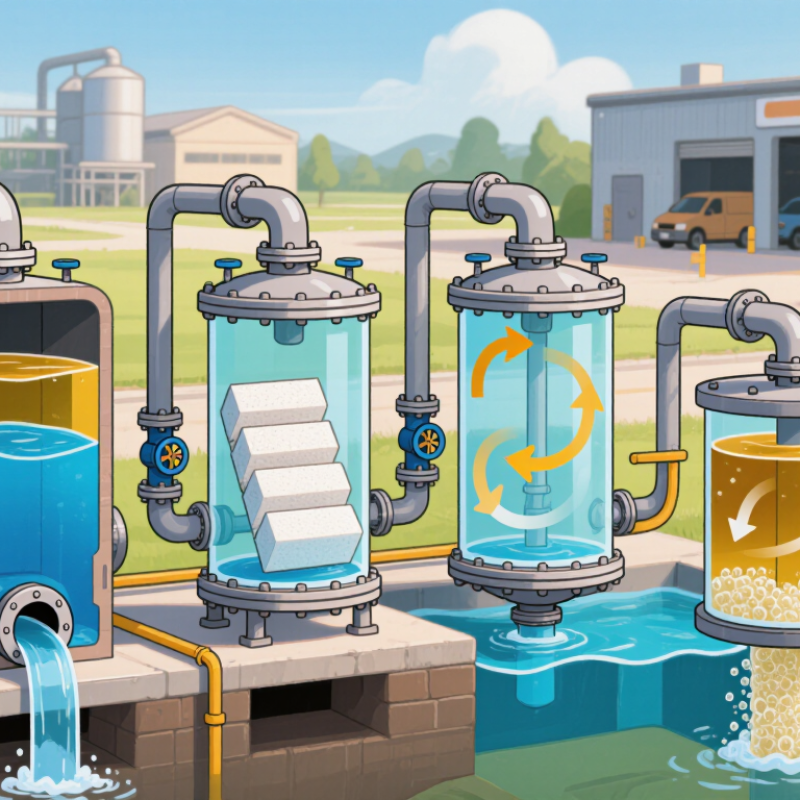
Table of Contents [Hide]
What Is an Oil Separator and How Does It Work?
2026 Best Oil Separator Types for Global Buyers?
What Is an Oil Separator and How Does It Work?
An oil separator removes oil droplets, mist, and liquid contaminants from compressed air, gas, or wastewater. Its purpose is simple: protect equipment and reduce pollution risks. Inside the housing, contaminated fluid slows down or changes direction. Heavier oil particles fall into a collection chamber. Smaller droplets may join together on coalescing elements, forming larger drops that drain more easily. Centrifugal models spin the flow, while gravity-based units rely on calm settling. Each design suits different flow rates, temperatures, and oil loads.
Selection requires practical testing, not only catalogue figures. Check the medium, inlet pressure, operating temperature, and expected oil concentration. Drain capacity also matters. A small drain can cause oil to collect inside the separator, reducing performance. In workshops, technicians should inspect pressure drop and replace damaged filter elements. I have seen systems fail because maintenance schedules ignored sudden changes in air quality. No separator is perfect. Fine mist may still pass through, especially when the unit is overloaded or poorly sized.
Tips: Choose a separator with documented test data and accessible service parts. Leave space beneath the unit for safe draining and inspection. Ask for performance data at your actual flow rate, not a convenient laboratory condition. Recheck the specification when conditions change.

© Copyright - Pro Tool & Supply - Site by SVM E-Marketing Solutions - Sitemap
- Privacy policy