- Products
- Air Compressors & Air Tools
- Climate Control
- Compaction Equipment
- Concrete Cutting Tools & Equipment
- Concrete and Masonry
- Demolition & Excavation
- Electrical & Mechanical
- Fasteners and Anchoring Adhesives
- Floor Protection
- Generators and Welders
- Hand Tools
- Heaters
- Janitorial and Office Supplies
- Jobsite Protection
- Ladders & Storage
- Lighting & Lighting Accessories
- Man Lifts
- Material Handling Equipment
- Power Tools
- Pressure Washers & Pumps
- Safety Gear
- Safety Products
- Saws
- Surface Preparation
- SEASONAL PRODUCTS
- Rentals
- Air Compressor and Air Tool Rentals
- Climate Control Rental
- Compaction Rentals
- Concrete Equipment Rentals
- Demolition & Excavation Equipment Rentals
- Concrete Floor Grinder Rentals
- General Construction Equipment Rentals
- Generator Rentals and Welder Rentals
- Heater Rentals
- Light Tower Rentals
- Man Lift Rentals in Massachusetts and Rhode Island
- Material Handling Equipment Rentals
- Pressure Washer & Pump Rentals
- Saw Rentals in New England
- SEASONAL PRODUCTS
- Products
- Air Compressors & Air Tools
- Climate Control
- Compaction Equipment
- Concrete Cutting Tools & Equipment
- Demolition & Excavation
- Electrical & Mechanical
- Floor Protection
- Generators and Welders
- Construction Heaters
- Construction Ladders, Staging, & Storage
- Construction Lighting
- Man Lifts
- Material Handling Equipment
- Industrial Janitorial and Office Supplies
- Pressure Washers & Pumps
- Construction Safety Products
- Construction Safety Gear
- Surface Preparation
- Building Protection
- Diesel Accessories
- Zero Emissions
- Rentals
- Air Compressor and Air Tool Rentals
- Climate Control Rental
- Compaction Rentals
- Concrete Equipment Rental
- Demolition & Excavation Equipment Rental
- General Construction Equipment Rental
- Generator Rentals and Welder Rentals
- Construction Heaters Rental
- Light Tower Rentals
- Man Lift Rentals
- Material Handling Equipment Rental
- Pressure Washer & Pump Rentals
- Saw Rentals in New England
- Concrete Floor Grinder Rentals
- Zero Emissions Rentals
- Repairs & Used
- Parts
- Blog
- Services
- Resources
- About Us
- Contact Us
Sales & Rental of Construction | Industrial Equipment & Supplies


2026 Best Inverter Outlet Types for Global Buyers
Choosing the right Inverter Outlet can be difficult for global buyers. Plug shapes vary across regions. Voltage, frequency, grounding, and load capacity also differ. A compact outlet may fit perfectly, yet perform poorly with sensitive equipment.
This guide examines practical outlet types for homes, vehicles, backup systems, and portable power stations. It compares universal outlets, regional socket designs, USB-C combinations, and heavy-duty grounded models. Each type serves a different need. For example, a hotel traveler may prefer a universal design, while a workshop needs stronger terminals and verified overload protection. Fit matters. So does heat control.
Reliable selection begins with technical evidence. Check the inverter’s continuous wattage, surge rating, output waveform, and connection method. Then review the outlet’s rated voltage, current, grounding design, and manufacturer instructions. Certification marks can support confidence, but they should not replace careful inspection. A qualified electrician should assess permanent installations, especially where moisture or high loads are present.
Real-world testing often reveals small weaknesses. Some outlets feel secure but loosen after repeated use. Others provide USB charging but lack enough power for modern laptops. A few designs advertise broad compatibility without explaining frequency limits. That is not always clear. Buyers should compare datasheets, regional standards, warranty terms, and independent reviews before ordering. No single outlet is perfect. The best choice balances compatibility, durability, safety, and repairability for the intended market.
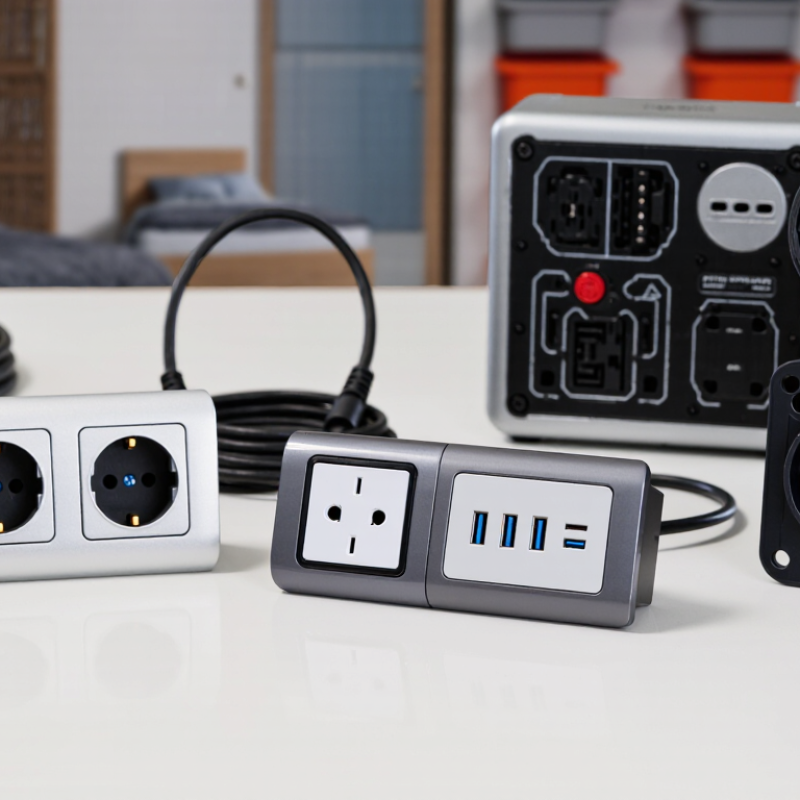
Table of Contents [Hide]
What an Inverter Outlet Is and How It Works
An inverter outlet delivers alternating current from a battery or vehicle’s direct-current system. It is not a power source by itself. Internal electronic switches create a rapidly changing waveform, while transformers and filters shape it into usable AC power. Pure sine wave outlets produce smoother electricity for laptops, medical equipment, motors, and sensitive chargers. Modified sine wave outlets cost less, but may create noise, heat, or poor motor performance.
Outlet shape is another issue. Type A and B suit North America, while Type C, E, F, G, and I serve other regions. Voltage and frequency must also match the connected device. The International Energy Agency reported that global battery-storage additions reached about 42 GW in 2023, more than doubling from the previous year. That growth increases demand for practical battery-to-AC connections, but it does not make every inverter outlet suitable for every country.
Tips: Check continuous wattage, surge wattage, voltage, frequency, and socket format. Use pure sine wave output for sensitive electronics. Add a certified adapter only when grounding remains reliable. A high-wattage outlet can still fail with a weak battery or thin cable. I have found that buyers often focus on socket appearance first. That is understandable, but incomplete. The waveform and protection system matter more. Some product claims also sound precise without explaining test conditions, so verify the technical sheet and independent safety documentation.

© Copyright - Pro Tool & Supply - Site by SVM E-Marketing Solutions - Sitemap
- Privacy policy