- Products
- Air Compressors & Air Tools
- Climate Control
- Compaction Equipment
- Concrete Cutting Tools & Equipment
- Concrete and Masonry
- Demolition & Excavation
- Electrical & Mechanical
- Fasteners and Anchoring Adhesives
- Floor Protection
- Generators and Welders
- Hand Tools
- Heaters
- Janitorial and Office Supplies
- Jobsite Protection
- Ladders & Storage
- Lighting & Lighting Accessories
- Man Lifts
- Material Handling Equipment
- Power Tools
- Pressure Washers & Pumps
- Safety Gear
- Safety Products
- Saws
- Surface Preparation
- SEASONAL PRODUCTS
- Rentals
- Air Compressor and Air Tool Rentals
- Climate Control Rental
- Compaction Rentals
- Concrete Equipment Rentals
- Demolition & Excavation Equipment Rentals
- Concrete Floor Grinder Rentals
- General Construction Equipment Rentals
- Generator Rentals and Welder Rentals
- Heater Rentals
- Light Tower Rentals
- Man Lift Rentals in Massachusetts and Rhode Island
- Material Handling Equipment Rentals
- Pressure Washer & Pump Rentals
- Saw Rentals in New England
- SEASONAL PRODUCTS
- Products
- Air Compressors & Air Tools
- Climate Control
- Compaction Equipment
- Concrete Cutting Tools & Equipment
- Demolition & Excavation
- Electrical & Mechanical
- Floor Protection
- Generators and Welders
- Construction Heaters
- Construction Ladders, Staging, & Storage
- Construction Lighting
- Man Lifts
- Material Handling Equipment
- Industrial Janitorial and Office Supplies
- Pressure Washers & Pumps
- Construction Safety Products
- Construction Safety Gear
- Surface Preparation
- Building Protection
- Diesel Accessories
- Zero Emissions
- Rentals
- Air Compressor and Air Tool Rentals
- Climate Control Rental
- Compaction Rentals
- Concrete Equipment Rental
- Demolition & Excavation Equipment Rental
- General Construction Equipment Rental
- Generator Rentals and Welder Rentals
- Construction Heaters Rental
- Light Tower Rentals
- Man Lift Rentals
- Material Handling Equipment Rental
- Pressure Washer & Pump Rentals
- Saw Rentals in New England
- Concrete Floor Grinder Rentals
- Zero Emissions Rentals
- Repairs & Used
- Parts
- Blog
- Services
- Resources
- About Us
- Contact Us
Sales & Rental of Construction | Industrial Equipment & Supplies


2026 Best 304 Stainless Steel Plate for Global Buyers?
In 2026, global buyers need more than a low quoted price for stainless steel plate. The right 304 Stainless Steel Plate must match the application, fabrication method, and delivery environment. Kitchen equipment, pharmaceutical vessels, architectural panels, and food-processing lines demand different specifications. A polished sheet may look excellent, yet it can fail when thickness tolerance or surface treatment is unsuitable.
This guide examines practical buying factors from a supplier and engineering perspective. It considers chemical composition, yield strength, corrosion resistance, finish, flatness, cutting accuracy, and available dimensions. Buyers should request mill test certificates, inspection reports, and traceable batch information before placing large orders. Reliable suppliers should explain standards clearly, such as ASTM A240, EN 10088, or equivalent regional requirements. Documentation matters.
Not every “best” plate is best for every project. That is the uncomfortable part. Price comparisons may exclude packaging, testing, tariffs, inland transport, or replacement risks. Some online specifications also appear complete but omit tolerance details. Careful buyers should question unclear claims and compare like-for-like products. Small details matter, including protective film, edge condition, pallet strength, and moisture control during shipment. This overview aims to help importers, fabricators, and distributors make defensible decisions. It does not replace professional material verification. Supplier performance can vary, even within the same market.
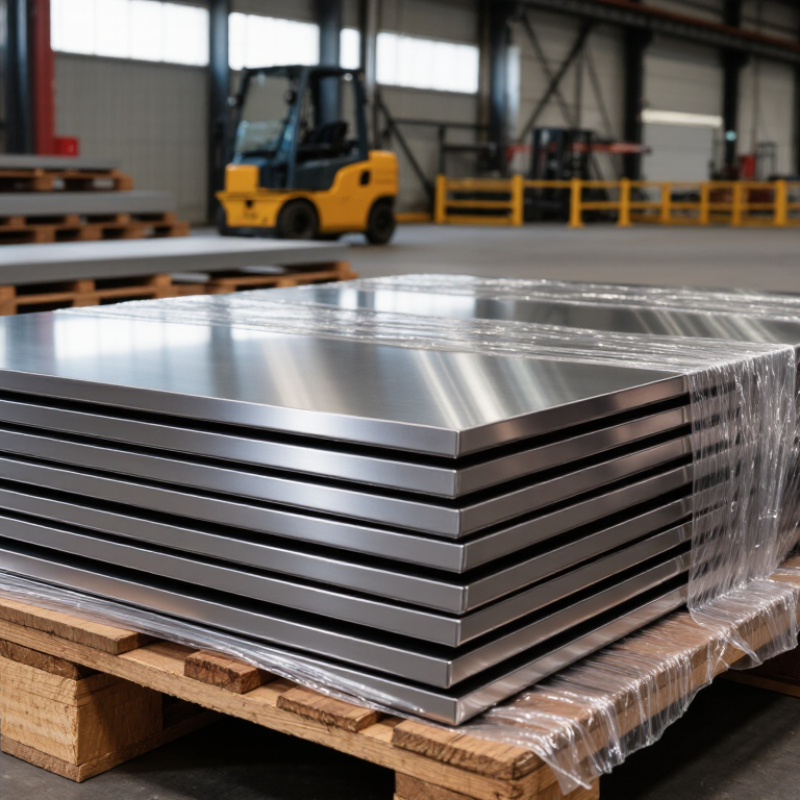
Table of Contents [Hide]
What Is 304 Stainless Steel Plate?
304 stainless steel plate is an austenitic stainless steel made mainly from iron, chromium, and nickel. Chromium forms a thin passive layer that helps resist moisture, stains, and everyday corrosion. Nickel supports its toughness and improves performance during forming.
It is not rust-proof. Salt spray, chemicals, poor cleaning, or trapped moisture can still cause staining. In practical fabrication, 304 plate is easy to cut, weld, bend, and polish. Annealed 304 is usually non-magnetic, although rolling, bending, or stamping can create slight magnetism. That detail often surprises buyers.
Typical uses include food-processing tables, kitchen equipment, storage tanks, architectural panels, and indoor industrial parts. A clean surface matters. Scratches, iron dust, and rough weld areas may become visible after installation. These small details are easy to underestimate.
When selecting a plate, check thickness tolerance, surface finish, flatness, edge condition, and heat number. Request a material test certificate showing chemical composition and mechanical properties. ASTM A240 and EN 10088 are common reference standards, but the project specification should control. Positive material identification can verify the alloy when documentation seems unclear.
A thoughtful buyer also considers the environment. Coastal exposure may require a more corrosion-resistant grade. For ordinary indoor service, 304 is often practical and economical. Still, “304” alone does not describe every quality aspect. The best choice depends on fabrication, cleaning routines, temperature, and actual exposure conditions.

© Copyright - Pro Tool & Supply - Site by SVM E-Marketing Solutions - Sitemap
- Privacy policy